Claude Mythos Uncovers 160 Software Flaws
Anthropic's AI model Claude Mythos exposes vulnerabilities, raising cybersecurity stakes.

Anthropic's Claude Mythos has been making waves in cybersecurity circles since its introduction. The AI model, announced in April 2026, is designed to detect software vulnerabilities. Despite its powerful capabilities, Anthropic has opted not to release the model publicly, instead offering a limited research preview to select clients.
A Glimpse into Claude Mythos
The AI model's primary feature is its ability to identify security flaws by analyzing code. Trained on an extensive range of code examples, Claude Mythos can autonomously call tools, forming a comprehensive workflow that includes reading code, hypothesizing exploits, creating proofs-of-concept, and testing them in virtual environments. The process culminates in producing detailed bug reports.
Claude Mythos doesn't just read code as a human would, but analyzes it in context, detecting discrepancies between code comments and actual functionality. The model also leverages its knowledge of third-party libraries and APIs to recognize potential misuse or incorrect assumptions.
Top-rated mics, webcams and accessories AI creators use daily.
The Test Results
In a controlled test environment, Claude Mythos was pitted against other AI models to assess its ability to exploit vulnerabilities. Given 900 examples, each containing program code, crash reports, and input data causing crashes, the AI aimed to generate a functional exploit within six hours. The results? Claude Mythos detected 160 vulnerabilities, outperforming GPT 5.5, which found 120, and the open-source GLM model, which identified only two.
Context: EU Impact
Europe, with its stringent GDPR and data protection regulations, stands to benefit significantly from such advancements. Claude Mythos can aid European companies in preemptively securing their software against potential threats, aligning with the continent's focus on privacy and data security. Additionally, the model's success could prompt further investment in AI-driven cybersecurity solutions within the EU.
What this means for you:
If you're in the software development field, this development could soon impact how you approach cybersecurity. Expect growing availability of AI tools capable of detecting and exploiting vulnerabilities, potentially pushing you to enhance your defensive measures. Watch for these tools becoming accessible to a wider audience, which could democratize vulnerability testing but also increase the risk of malicious use.
What's still unclear:
Several questions remain unanswered. How soon will open-source models match Claude Mythos's capabilities? Will Anthropic eventually release the model to the public? Additionally, how will regulatory bodies respond to the ethical implications of such powerful AI tools?
Why this matters:
Claude Mythos's performance signals a shift in cybersecurity, where AI models can both protect and exploit. As open-source models advance, the balance of power between hacking and defense could change dramatically. This dual-use potential necessitates a careful approach to deployment and regulation, ensuring that security advancements don't inadvertently empower malicious actors.
More from AI

Apple Joins Google to Fight EU's Android AI Demands Over Privacy Fears
Apple, in an unusual move, has sided with Google to oppose new EU rules demanding open AI access to Android, citing major privacy and security risks.

AI Weather Forecasts Challenge Traditional Methods
Forget everything you know about weather apps. New AI models like Graphcast, Aurora, and Pangu Weather are challenging old-school forecasting, promising quicker, potentially sharper predictions.

AI Prompt Fixes Formatting Issues in Word and Google Docs
AI users face formatting issues when transferring text to Word or Google Docs. A new prompt offers a solution to preserve readability.

Clera's AI: A New Playbook for Tech Hiring?
A new AI startup, Clera, wants to fix tech hiring. Founder Sebastian Scott says it's a job coach, a headhunter, and a fast track to your next gig.
Don’t miss these

Google's QR-Captcha Blocks Androids Without Play Services
A new QR-Captcha from Google could block Android users without Play Services, raising concerns over access and data privacy.
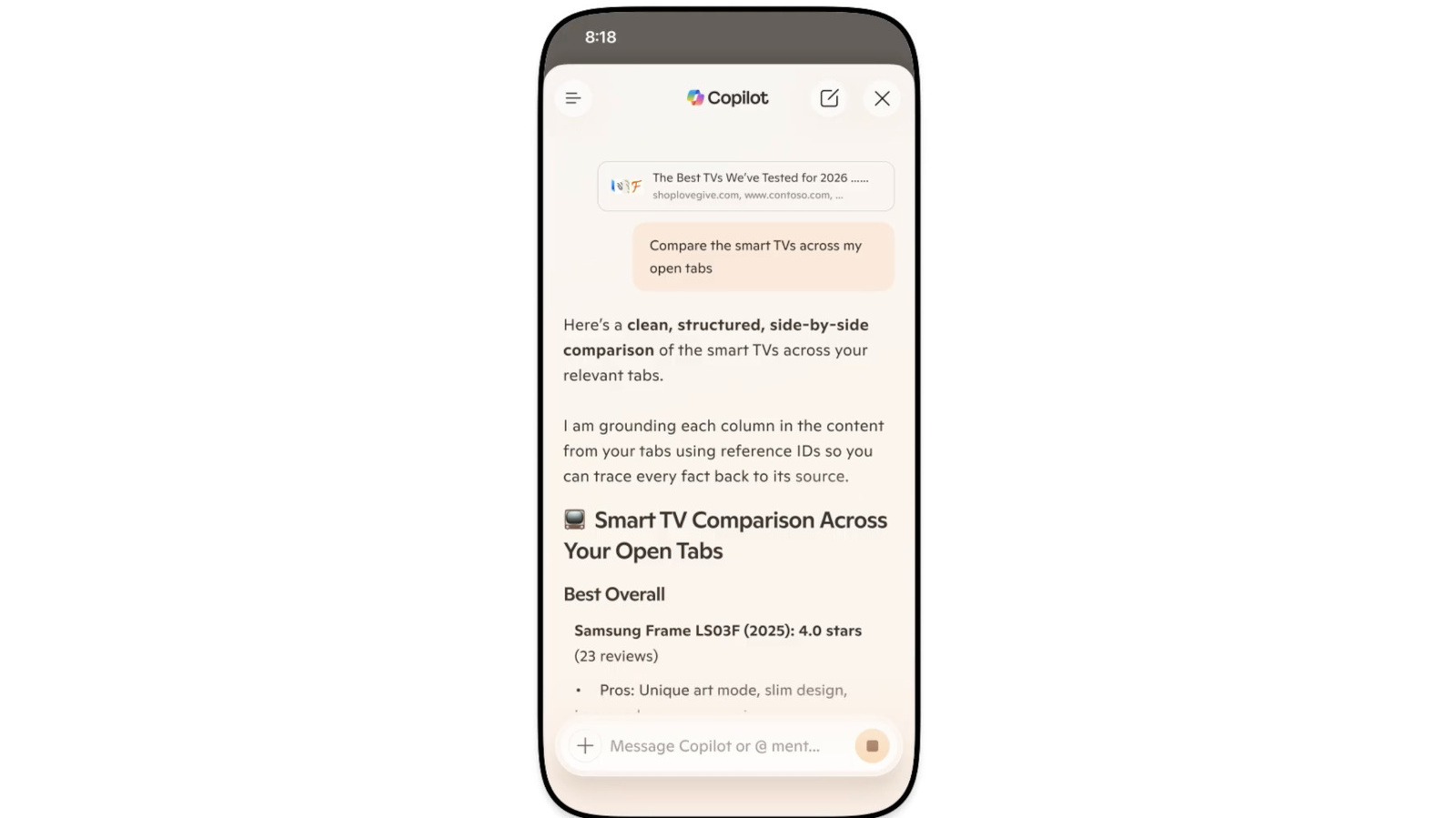
Microsoft Bakes Copilot AI Directly Into Edge Browser
Microsoft's making a big change to Edge: Copilot Mode is gone. Its AI smarts are now built right into the browser, aiming for a unified experience on all your devices.

Homo Erectus Proteins Reveal Denisovan DNA Link
Researchers find proteins in Homo erectus teeth hinting at Denisovan DNA connections, potentially reshaping our understanding of human ancestry.

Humble Bundle Drops $100 in Indie Games for a Tenner
Humble's latest bundle packs eight top indie games, including Celeste and The Witness, valued over $100, for just $10. Perfect for Steam Deck users.

iPhone 17 Sales Rise 1.3% Amid Market Downturn; Samsung Stumbles
iPhone 17 sales climbed 1.3% in Q1 2026, bucking a broader US smartphone market decline. Samsung's S26 delays left an opening, and Apple took it.

LG Evo C5 OLED TVs Hit Amazon's Lowest Prices
Amazon just slashed prices on LG's acclaimed Evo C5 4K OLED TVs. Gamers and sports fanatics, take note: these deals won't last.