Google's QR-Captcha Blocks Androids Without Play Services
New security check requires Google's framework—leaving some Android users out.

Google's recent security upgrade, the QR-Captcha, is making waves among Android users who have opted out of Google services. This new feature, announced at the Google Cloud Next event, introduces a QR-code-based check for verifying users as human, replacing the older checkbox method.
The QR-Captcha and Its Requirements
Unlike its predecessor, the QR-Captcha requires Google's app framework, specifically version 25.41.30 or higher, to function correctly on Android devices. This poses a significant hurdle for users who have chosen to install alternative operating systems like GrapheneOS or LineageOS, which are devoid of Google's Play Services. Such users will find themselves unable to pass this security check, potentially blocking access to websites that adopt this new layer of security.
iPhone Users Face No Restrictions
Interestingly, this shift does not affect iPhone users, who reportedly do not need any additional apps or data to complete the QR-Captcha. Despite the apparent ease for Apple devices, Google has yet to clarify why Android devices must meet these specific requirements.
The QR-Captcha requires Google's framework, leaving some Android users at a disadvantage.
Hardware keys and password managers used by security pros.
Privacy Concerns and Limited Adoption
The introduction of this QR-Captcha raises privacy concerns, as it necessitates users transmitting data to Google's servers. However, websites must actively choose to implement this new recaptcha layer, and the traditional checkbox method remains functional for the time being. Users employing tools like VPNs, which can flag them as suspicious, might find themselves directed to this QR-Captcha.
Context: European Privacy Standards
In Europe, where privacy regulations like the GDPR are stringent, this move by Google could face scrutiny. The reliance on Google's services to access websites might not align well with EU data protection standards, potentially prompting discussions around compliance and user rights.
What this means for you:
If you're using an Android device without Google Play Services, this change could impact your web browsing experience, potentially blocking access to sites using the new QR-Captcha. Consider alternative methods to verify your identity online or be prepared for limited access.
Users may need to rethink their browsing setup if they rely on non-Google services.
What's still unclear:
- The criteria for determining 'suspicious activity' that triggers the QR-Captcha.
- Google's rationale for differing requirements between Android and iOS.
- How widely websites will adopt this new security feature.
Why this matters:
"Google's QR-Captcha Raises Access and Privacy Concerns" — This change underscores the growing tension between tech giants' security measures and user privacy rights. As more websites adopt this feature, users might face increased barriers to accessing content, particularly those who prioritize privacy and opt for non-Google services.
Hardware keys and password managers used by security pros.
Shop security gear →More from Security

Umbrellas vs. Drones: 'Flytrap' Method Confuses UAVs, With Mixed Results
Forget net guns. Researchers are trying to take down drones with... umbrellas. A new 'Flytrap' method shows promise in confusing UAVs, but real-world results are a mixed bag.

Safari 26.5 Update: 20 WebKit Bugs Patched for macOS Users
Safari 26.5 squashes 20 WebKit bugs. That means better security, less data exposure for macOS Sonoma and Sequoia users.

Canvas Hacks: Lawmakers Grill Instructure Over Repeated Breaches
Millions of student records, compromised. Twice. That's got U.S. lawmakers demanding Instructure explain its repeated data breaches, questioning everything from incident response to basic security.
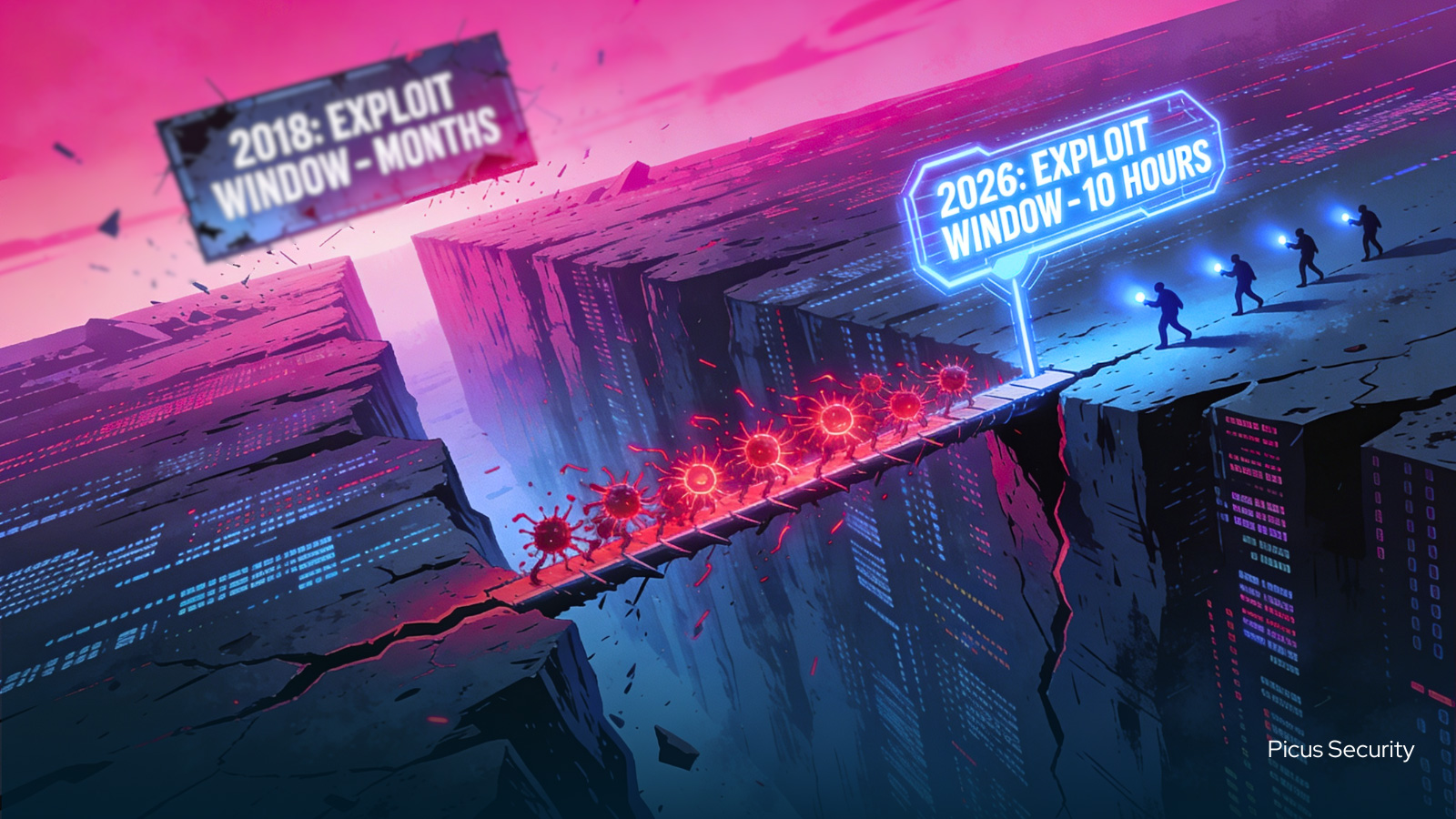
AI-Driven Cyber Attacks Now Break Defenses in Just 73 Seconds
Anthropic's Mythos AI model is breaching systems in seconds, making faster, smarter cybersecurity responses critical.
Don’t miss these

Apple Joins Google to Fight EU's Android AI Demands Over Privacy Fears
Apple, in an unusual move, has sided with Google to oppose new EU rules demanding open AI access to Android, citing major privacy and security risks.
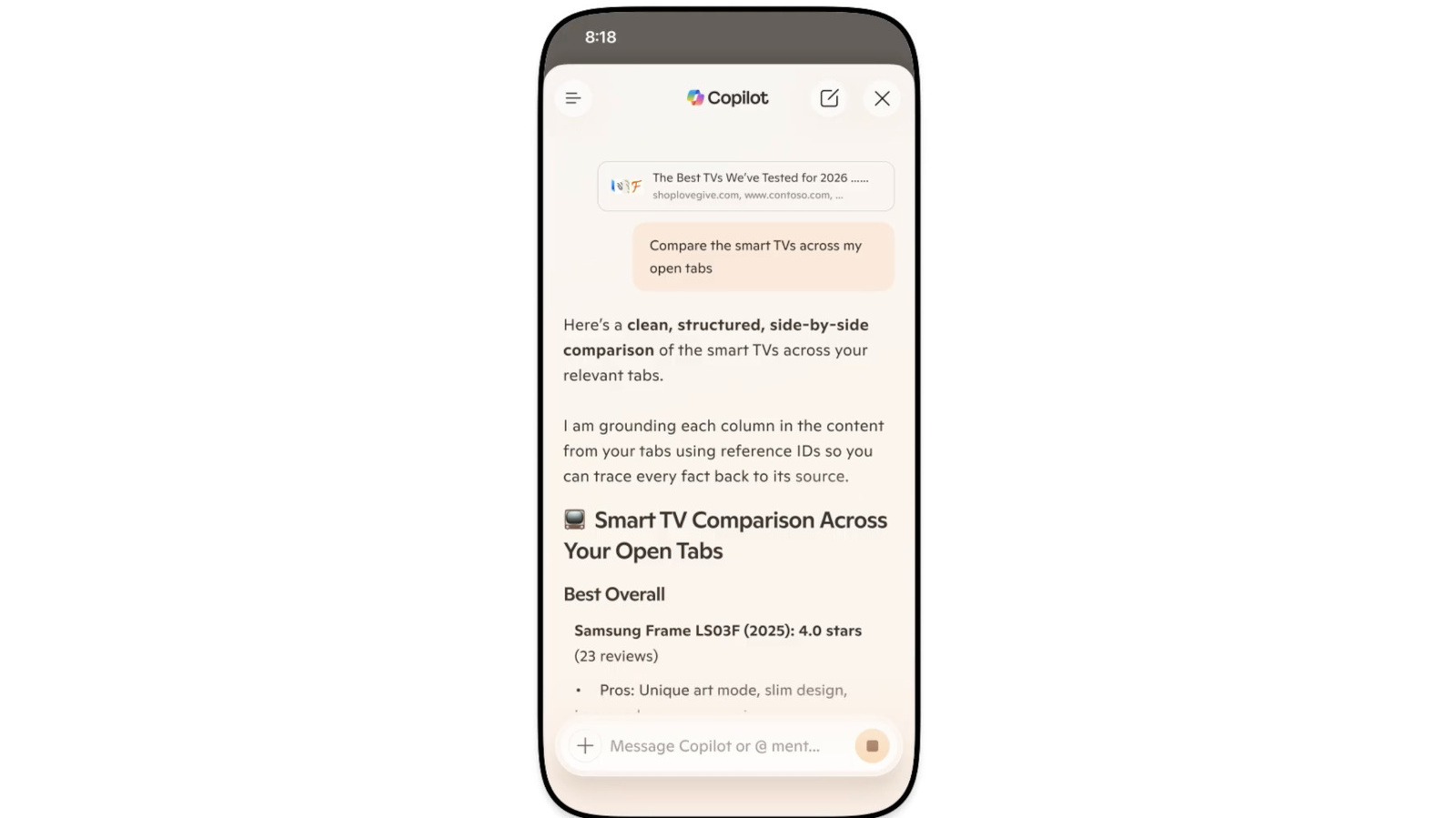
Microsoft Bakes Copilot AI Directly Into Edge Browser
Microsoft's making a big change to Edge: Copilot Mode is gone. Its AI smarts are now built right into the browser, aiming for a unified experience on all your devices.

Homo Erectus Proteins Reveal Denisovan DNA Link
Researchers find proteins in Homo erectus teeth hinting at Denisovan DNA connections, potentially reshaping our understanding of human ancestry.

Humble Bundle Drops $100 in Indie Games for a Tenner
Humble's latest bundle packs eight top indie games, including Celeste and The Witness, valued over $100, for just $10. Perfect for Steam Deck users.

iPhone 17 Sales Rise 1.3% Amid Market Downturn; Samsung Stumbles
iPhone 17 sales climbed 1.3% in Q1 2026, bucking a broader US smartphone market decline. Samsung's S26 delays left an opening, and Apple took it.

LG Evo C5 OLED TVs Hit Amazon's Lowest Prices
Amazon just slashed prices on LG's acclaimed Evo C5 4K OLED TVs. Gamers and sports fanatics, take note: these deals won't last.