Homo Erectus Proteins Reveal Denisovan DNA Link
Ancient proteins in teeth suggest Denisovans passed on Homo erectus DNA.

Humanity's evolutionary journey continues to unravel its secrets as researchers uncover clues from the distant past. Recent findings suggest that proteins from the teeth of Homo erectus may hold the key to understanding how Denisovans passed on DNA to modern humans.
Ancient DNA: A Fragmented Puzzle
The study of ancient DNA has significantly advanced our understanding of human history. As early humans ventured out of Africa, they interbred with Neanderthals and Denisovans. However, evidence hints that Denisovans themselves had interbred with even earlier groups, leading researchers to speculate about the identity of these mysterious ancestors.
Top-rated science books and tools to keep learning.
The Role of Proteins
Due to the rapid degradation of DNA over time, researchers have turned their attention to proteins for insights. Unlike DNA, certain proteins can be preserved in robust structures such as bones and teeth. By examining proteins in tooth enamel, scientists have gleaned amino acid sequences from specimens up to two million years old.
In a recent study, a group of Chinese researchers analyzed microscopic samples of Homo erectus teeth dating back approximately 400,000 years. These samples were compared to Denisovan specimens, revealing fragments of enamel proteins from both groups. The findings suggest that Homo erectus may have been the mystery group that contributed DNA to the Denisovans, which in turn passed it on to modern humans.
The European Connection
This discovery adds a new layer to our understanding of human ancestry, showcasing the complexities of ancient interbreeding. For Europe, where Homo erectus once roamed, these findings could offer insights into regional evolutionary history and the genetic makeup of early Europeans.
- Homo erectus spread across Eurasia over a million years ago.
- Denisovans interbred with both Neanderthals and Homo erectus.
- Proteins provide a new avenue for studying ancient human interactions.
What This Means for You
For those interested in human ancestry, this research highlights the intricate web of interactions that shaped our genetic heritage. As science delves deeper into ancient proteins, we may gain a clearer picture of how these early human groups influenced modern populations. Keep an eye on future studies that could further unravel the complexities of our past.
What's Still Unclear
Despite these exciting findings, several questions remain unanswered. How widespread was the interbreeding between Homo erectus and Denisovans? What impact did this genetic exchange have on subsequent human evolution? As research in this area progresses, we can expect more revelations that will refine our understanding.
Why This Matters
Protein analysis from Homo erectus teeth reveals Denisovan DNA links, reshaping our understanding of human ancestry. As researchers continue to explore ancient proteins, we gain invaluable insights into the complex tapestry of human evolution, reminding us of the interconnectedness of our shared past.
More from Science

Fervo Energy IPO Soars 33% as AI Data Centers Drive Demand
Fervo Energy's IPO sees a 33% surge, fueled by AI data center demand, pushing its valuation past $10 billion.

Google, SpaceX Eye Orbital Data Centers: Sci-Fi or Future?
Google and SpaceX are reportedly discussing a plan to launch data centers into Earth's orbit, aiming for 24/7 solar power. But critics are already calling it impractical, citing huge costs and repair nightmares.
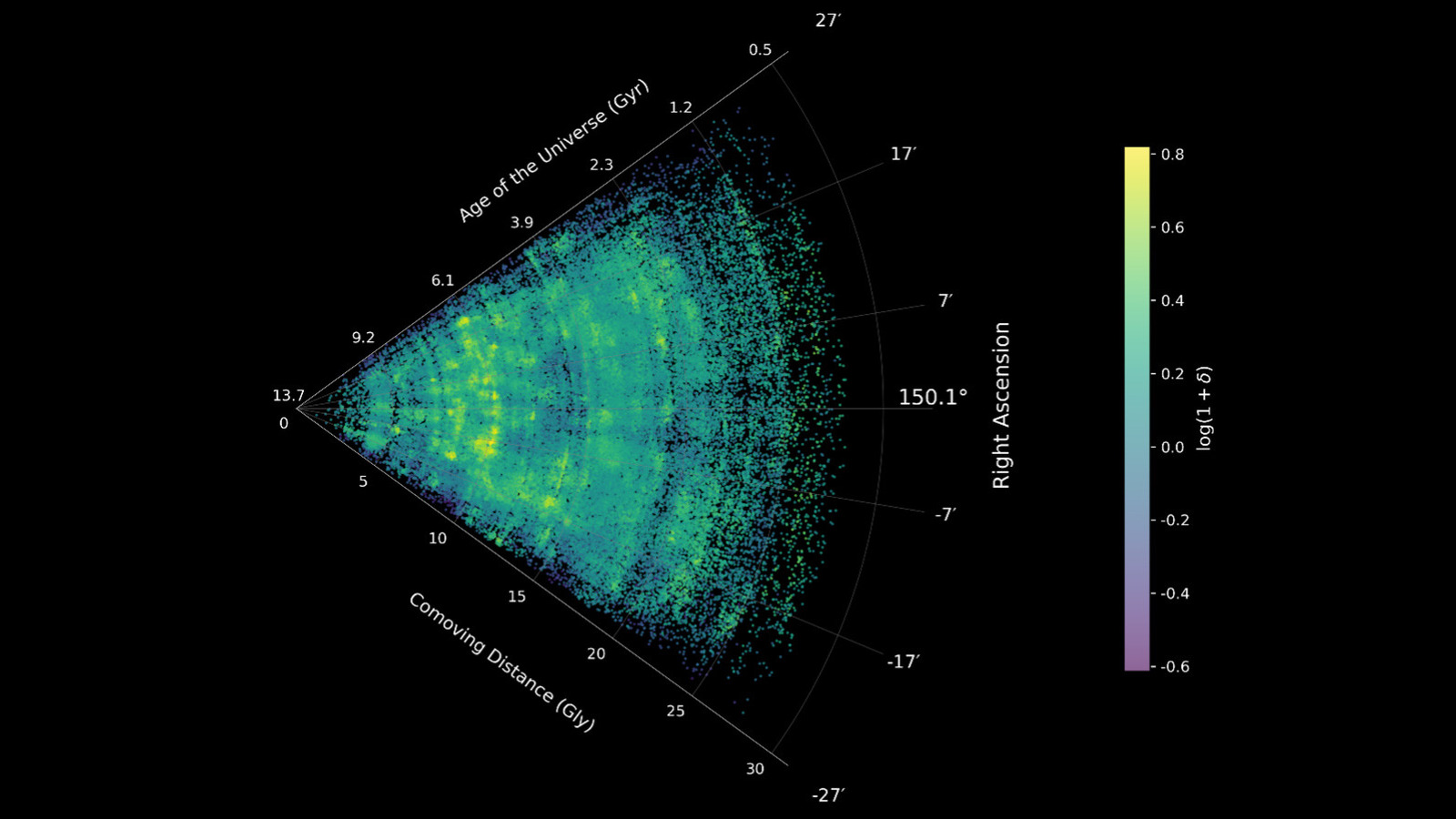
James Webb Telescope Reveals New Insights into the Cosmic Web
Astronomers have used the James Webb Telescope to map the cosmic web, revealing intricate details of the universe's structure.
Starlink Signals Hacked for GPS Alternative Amidst IPO Buzz
Starlink shut down its GPS-like signals. Doesn't matter. Researchers found a way to listen in anyway, potentially unlocking precise navigation.
Don’t miss these

Safari 26.5 Update: 20 WebKit Bugs Patched for macOS Users
Safari 26.5 squashes 20 WebKit bugs. That means better security, less data exposure for macOS Sonoma and Sequoia users.

Humble Bundle Drops $100 in Indie Games for a Tenner
Humble's latest bundle packs eight top indie games, including Celeste and The Witness, valued over $100, for just $10. Perfect for Steam Deck users.

iPhone 17 Sales Rise 1.3% Amid Market Downturn; Samsung Stumbles
iPhone 17 sales climbed 1.3% in Q1 2026, bucking a broader US smartphone market decline. Samsung's S26 delays left an opening, and Apple took it.

Musk's xAI Runs 46 Gas Turbines, Faces Legal Challenge
Elon Musk's xAI operates 46 gas turbines in Mississippi, exploiting a regulatory loophole. Legal challenges are mounting.

LG Evo C5 OLED TVs Hit Amazon's Lowest Prices
Amazon just slashed prices on LG's acclaimed Evo C5 4K OLED TVs. Gamers and sports fanatics, take note: these deals won't last.

Apple Maps to Get Ads This Summer With iOS Update
Apple Maps is finally getting ads. Starting this summer with iOS 26.5, users will see promoted content in search results and a new 'Suggested Places' panel. It's a big revenue play, but what does it mean for your privacy?