AI Weather Forecasts Challenge Traditional Methods
Google, Microsoft, and Huawei are betting AI can predict the weather faster, and maybe even better, than traditional methods.

For decades, weather forecasting has relied on complex physics equations. But a new contender is in the ring: AI. These artificial intelligence models could deliver faster, more accurate predictions, shaking up how we plan our lives.
How Your Forecasts Usually Work
Traditional weather models are all about physical equations. They crunch numbers on atmospheric conditions – pressure, temperature, humidity – to predict what's coming. This approach has been the backbone of meteorology since British mathematician Lewis Fry Richardson proposed using physical laws back in the early 20th century. Sophisticated stuff, sure. But these models aren't perfect. They eat up massive computing power, and errors pile up fast when you look too far ahead.
The AI Promise
Now, AI models like Google's Graphcast, Microsoft's Aurora, and Huawei's Pangu Weather are making a serious play. They're claiming forecasts as good as, maybe even better than, traditional methods — and way faster. How? Machine learning. They spot patterns. Don't need all those physics equations.
Faster calculations. Potentially sharper accuracy. That's the AI promise.
Top-rated mics, webcams and accessories AI creators use daily.
Comparing the Techniques
Traditional models depend on finely-tuned grids to calculate weather changes. AI models, on the other hand, use big data sets and machine learning to identify patterns. This means they adapt quickly to new data, potentially improving accuracy even during crazy weather. Pretty neat, right? But AI isn't magic. Its predictions are only as good as the data it's trained on. And how well it learns from the past.
- Traditional models rely on physical equations.
- AI models use machine learning for pattern recognition.
- AI promises faster forecasts.
- Both have limitations in long-term accuracy.
The European View
In Europe, where weather shifts wildly across regions, AI could be a big deal. The European Centre for Medium-Range Weather Forecasts (ECMWF) is already kicking the tires, seeing how AI can sharpen their models. And with Europe's focus on climate science and data protection, AI forecasts might even fit right into GDPR rules. Privacy-first predictions. Pretty cool, if they pull it off.
What This Means for You
What does this mean for you, the average European? Potentially better forecasts. Plan your weekend with more confidence. Maybe even leave the umbrella at home. If AI keeps getting smarter, your go-to weather app could change. Think hyper-local predictions for that outdoor concert or your kid's soccer game.
Could AI-driven forecasts become the new standard in weather prediction? Only time will tell.
What We Don't Know Yet
Still, there are big questions. What about those freak storms? The ones that break all the historical patterns? Do we risk losing traditional meteorologist expertise if we rely too much on AI? And how exactly do you plug these new systems into old infrastructure?
Why This Matters
AI might just flip weather forecasting on its head. Smarter AI means sharper, faster forecasts. Good for everyone, from farmers to weekend hikers.
More from AI

Golem Offers 15% Off AI Workshops Until May End
Golem Karrierewelt is offering a 15% discount on AI workshops and e-learning courses covering Copilot, AI foundations, and the EU AI Act until May ends.

Apple Joins Google to Fight EU's Android AI Demands Over Privacy Fears
Apple, in an unusual move, has sided with Google to oppose new EU rules demanding open AI access to Android, citing major privacy and security risks.
AI Prompt Fixes Formatting Issues in Word and Google Docs
AI users face formatting issues when transferring text to Word or Google Docs. A new prompt offers a solution to preserve readability.

Clera's AI: A New Playbook for Tech Hiring?
A new AI startup, Clera, wants to fix tech hiring. Founder Sebastian Scott says it's a job coach, a headhunter, and a fast track to your next gig.
Don’t miss these
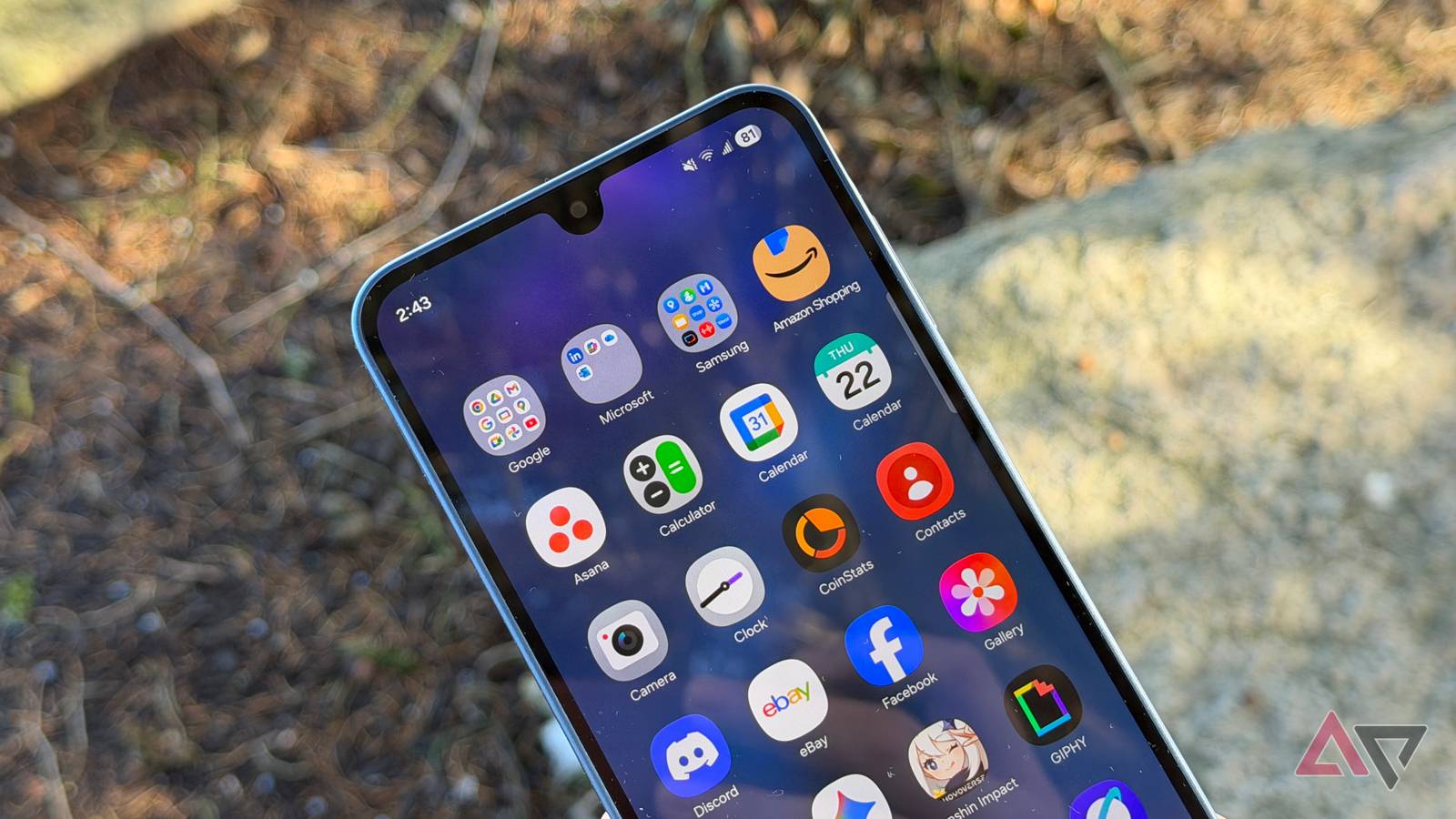
One UI 9 Beta Leaks: Samsung's New Plan to Kill App Distractions
Screenshots from Samsung's One UI 9 beta hint at a powerful new tool: the ability to cut off internet access for specific apps. Think focus, not endless scrolling.
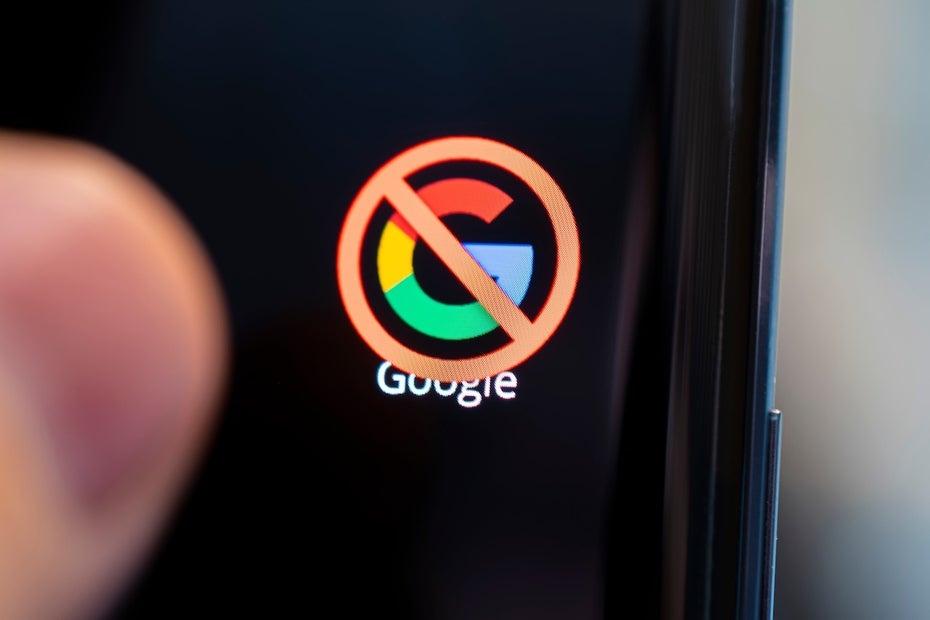
Google's QR-Captcha Blocks Androids Without Play Services
A new QR-Captcha from Google could block Android users without Play Services, raising concerns over access and data privacy.
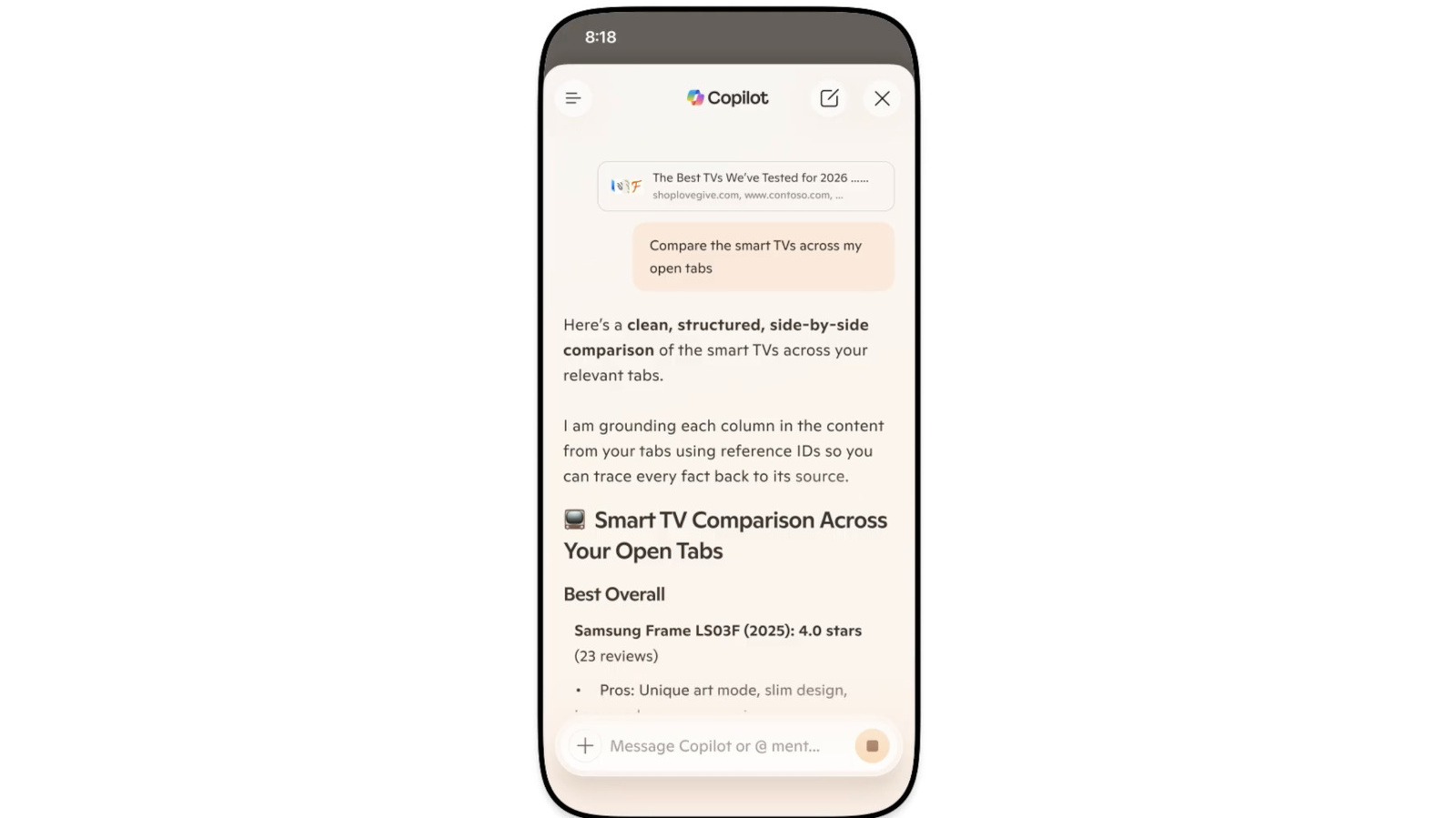
Microsoft Bakes Copilot AI Directly Into Edge Browser
Microsoft's making a big change to Edge: Copilot Mode is gone. Its AI smarts are now built right into the browser, aiming for a unified experience on all your devices.

Homo Erectus Proteins Reveal Denisovan DNA Link
Researchers find proteins in Homo erectus teeth hinting at Denisovan DNA connections, potentially reshaping our understanding of human ancestry.

Humble Bundle Drops $100 in Indie Games for a Tenner
Humble's latest bundle packs eight top indie games, including Celeste and The Witness, valued over $100, for just $10. Perfect for Steam Deck users.

LG Evo C5 OLED TVs Hit Amazon's Lowest Prices
Amazon just slashed prices on LG's acclaimed Evo C5 4K OLED TVs. Gamers and sports fanatics, take note: these deals won't last.