Texas Sues Netflix Over Data Privacy Claims
State claims Netflix plays loose with privacy, profits off personal data.

Texas Attorney General Ken Paxton's going after Netflix, accusing them of flouting Texas privacy laws. He says Netflix misled folks by positioning itself as a safe, ad-free zone while allegedly collecting and selling user data.
Claims of Deceptive Practices
The lawsuit says Netflix sold itself as an 'escape from Big Tech surveillance.' Meanwhile, it allegedly built a behavior-surveillance program. This includes autoplay, which rolls the next episode to keep you hooked. Paxton says these are tricks to gather data, especially from kids and families.
"Netflix’s goal is simple and lucrative: get families glued to the screen, grab their data, then sell it for big bucks," the suit says.
Legal Demands
Paxton wants the court to stop Netflix from gathering and sharing user data. He also wants autoplay off by default on kids' profiles. His office claims Netflix's actions break the Texas Deceptive Trade Practices Act.
- Data exploitation claims
- Alleged broken ad-free promise
- Call to turn off kids autoplay
"Netflix isn't the ad-free, kid-friendly space it says it is. It's misled consumers while cashing in on their data," Paxton said in a press release.
Background: Streaming and Privacy
This suit drops amid rising scrutiny of tech firms and their data habits. As services tussle for subscribers, privacy promises are a big draw. Netflix, which saw revenue jump from $15 billion in 2018 to a projected $50 billion by 2026, is under the lens for how it rakes in dough.
What's Still Unclear:
- How Netflix'll respond
- Impact on Netflix's business if Paxton wins
- What this means for other streamers on data privacy
Why This Matters:
This case shines a light on the clash between privacy and profit in tech. As streaming takes a bigger piece of the entertainment pie, privacy questions will only heat up, challenging how these platforms do business.
More from Web & Apps

Zombies, Run! Returns with New Stories to Enhance Your Workouts
Zombies, Run! is back with new stories, blending fitness and adventure to make exercising more engaging.
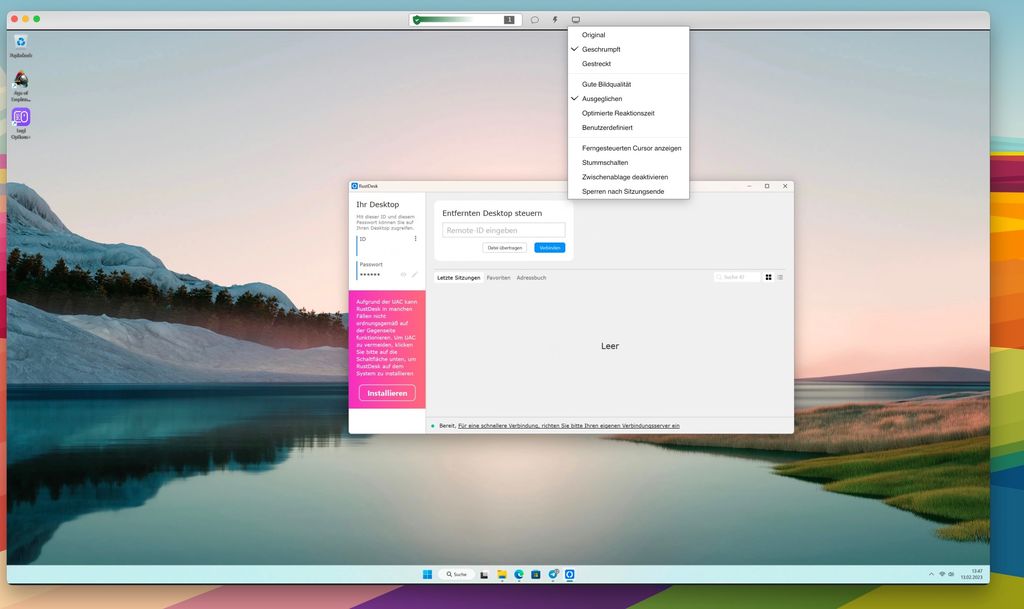
RustDesk Implements Login Requirement for Public Server Access
RustDesk now demands login to use public servers, offering Google or GitHub as options.

YouTube Introduces Option to Disable Shorts on Mobile
YouTube's new zero-minute Shorts limit gives users a long-awaited option to disable the endless feed.

Social Media's Impact on Kids: Addiction and Mental Health Concerns
Experts raise alarms on social media's addictive traits, pushing for tighter protections for kids' mental health.
Don’t miss these

Starlink Signals Hacked for GPS Alternative Amidst IPO Buzz
Starlink shut down its GPS-like signals. Doesn't matter. Researchers found a way to listen in anyway, potentially unlocking precise navigation.

iOS 26.5 Update Addresses Over 50 Security Vulnerabilities—Update Now
Apple's iOS 26.5 fixes over 50 security flaws. Update your iPhone now to stay secure.

Apple's iOS 26.5 Introduces Encrypted RCS Messaging with Android
Apple's iOS 26.5 introduces encrypted RCS messaging with Android, enhancing privacy for iPhone users.

Lego Batman Game Leak Sparks Spoiler Fears
Early access to Lego Batman: Legacy of the Dark Knight on Xbox via Walmart codes raises spoiler concerns ahead of the official launch.

C++ Devs Embrace AI Tools, But Trust Issues Linger
C++ developers are using AI tools more, but they're cautious about reliability and security.

Debian 14 Mandates Reproducible Builds for Testing Branch
Debian is elevating reproducible builds from a quality aspiration to a mandatory step for its "testing" branch. This move ensures greater integrity and transparency for the upcoming Debian 14 "Forky" release.