Social Media's Impact on Kids: Addiction and Mental Health Concerns
The rising alarm over social media's addictive designs affecting children's mental health.
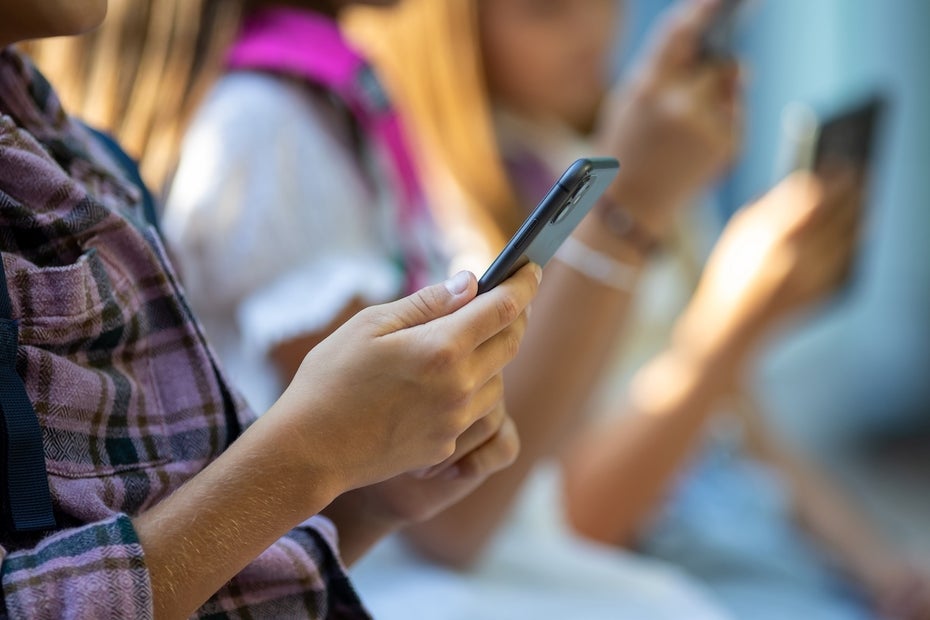
Lately, the buzz about social media isn't just about staying connected. It's about addiction and mental health, especially for kids. A shocking U.S. court ruling recently pointed a finger at platforms like Meta and Alphabet, saying they're breeding addiction. The case spotlighted a 20-year-old who reportedly spent up to 16 hours a day on Instagram, which led to family estrangement and mental health struggles. The court granted her $3 million, blaming the platforms for not warning users about risks.
Rising Alarm Over Social Media's Hold
Psychiatrist Kerstin Paschke, who treats kids hooked on social media, says these platforms are designed to keep you coming back. "Social media platforms are crafted to maximize user engagement," she says, pointing out that constant scrolling messes with the brain's reward system. It creates a loop where you need more and more just to feel okay, not even happy. This is a big worry for teens, since their brains are still growing, especially the parts that control impulses.
Push for Rules and Education
With these worries, there's a push for tighter rules. Germany's government has set up a commission to look at age limits and ways to teach young users to be smart about social media. A Der Spiegel survey shows 82% of Germans think social media can hurt kids, and 77% want a ban for the youngest children.
Experts like Paschke call for age limits, saying kids under 13 shouldn't use social media alone. For 14- to 15-year-olds, she believes content should be suitable for their age. "We need both better media literacy and stricter usage regulations," she argues, likening social media rules to those for alcohol and tobacco — not a total ban but tougher to access.
Key Suggestions Include:
- Setting a minimum age for social media.
- Creating age-appropriate content rules.
- Boosting education on digital literacy.
- Urging parents to stay involved.
Social Media Use Among Kids
A DAK study, with input from Paschke, shows that kids and teens are on social media over two hours daily during the week, even more on weekends. The number of kids with problem usage has jumped from 3.2% in 2019 to 6.6% now. Over 21% now show risky behaviors, a big leap from 8.2% seven years ago.
The Bigger Picture: Other Digital Addictions
Social media's addictiveness is part of a wider issue of digital addictions, like gaming and streaming, which use similar tricks to keep users hooked. These sectors are often under the microscope for their impact on young people.
What's Still Up in the Air:
- How will age restrictions be enforced?
- Which educational programs will best teach digital skills?
- How will tech companies react to calls for tighter rules?
Why You Should Care:
The ongoing conversation about social media addiction in kids is vital as it ties into public health, education, and tech regulation. If ignored, these platforms' addictive designs might worsen mental health issues for the young. The call for age limits and better digital education highlights the need to actively protect our kids' futures.
More from Web & Apps

YouTube Introduces Option to Disable Shorts on Mobile
YouTube's new zero-minute Shorts limit gives users a long-awaited option to disable the endless feed.

The 2019 Addams Family Animation: A Visual Tribute Worth Revisiting
The 2019 Addams Family films capture the original style of Charles Addams, offering a visually faithful yet overlooked adaptation.

Signal Introduces New Alerts to Combat Phishing Attacks
Signal's adding alerts for messages from unknown numbers after phishing attacks in Germany.

Spotify's New Tools to Combat AI-Generated Music Clutter
AI-generated music on Spotify is annoying users. Let's look at how to filter this 'AI slop' and take back control of your playlists.