NASA's Psyche Gets a Gravity Kick from Mars
Mars' gravity just gave the Psyche spacecraft a critical boost, pushing it closer to its metallic asteroid target.

NASA's Psyche spacecraft just got a serious kick. It successfully used Mars' gravity for a speed boost, pushing it closer to the asteroid 16 Psyche. Smart move, really. Saves fuel, keeps it on course.
How close? Closer than Mars' own moon, Phobos. Psyche zipped within 2,800 miles of the Martian surface. We're talking 12,300 mph. That wasn't just about speed; it sharpened the spacecraft's aim at that metallic asteroid. Scientists think 16 Psyche could actually tell us a lot about how planet cores — like Earth's — first formed.
Top-rated science books and tools to keep learning.
The Journey to 16 Psyche
The mission started late last year. Six years, 2.2 billion miles. The goal: hit 16 Psyche by July 2029. This asteroid? It's believed to be the leftover core of a protoplanet, a baby planet. A rare chance to see how planets are built, right? Once it gets there, Psyche's gonna hang around for two years. Orbiting, snapping pictures, mapping the surface, collecting data on what it's made of.
"We can't bore a path to Earth's metal core, so visiting Psyche provides a unique opportunity," NASA said. Pretty much sums it up. They're hoping this mission cracks open some secrets about how planets actually form.
The Role of Mars
Mars was key here. It gave Psyche that gravity assist. It's a standard trick in space, sure, but it saves tons of fuel and boosts speed. Mars' gravity just slingshotted Psyche, giving it the push it needed.
And hey, Psyche even took some photos of Mars on the way in. Those'll be beamed back to Earth over the next few weeks. Look for 'em on the mission's official page.
Context
What's this all mean? It's part of NASA's bigger push to really understand our solar system. How did it all get here? European agencies, like ESA, are in on this too, funding their own missions. They want more data on asteroids, on planetary bodies.
What this means for you
For anyone into space, or for researchers, this mission shows just how complex — and how clever — space exploration really is. It could bring huge breakthroughs in how we understand planetary cores. That'll impact future science, even what we teach kids.
What's still unclear
So, what don't we know yet? Plenty. What's 16 Psyche actually made of? What specific insights will it give us about planet formation? And the big one: what's the long-term impact of this mission on our understanding of the solar system's history? We'll see.
Why this matters
"NASA's Psyche mission offers a unique glimpse into planetary formation." That's the quote, and it's true. This could lead to some seriously big discoveries. By checking out 16 Psyche, we might finally get a real look at the iron-rich cores of planets. That means understanding the wild, violent history of our solar system's birth.
One short email. The most important Science news, fact-checked, no fluff. Free, unsubscribe anytime.
More from Science

Starry Nights & City Lights: Heise's Best Photos of the Week
Heise's weekly photo selection is in. Expect stunning urban shots, nature's quiet beauty, and a truly cosmic wonder.

Power Bills Jump 76%: Data Centers Blamed for Grid Strain
Power prices on the PJM grid are up 76%, and an independent monitor points the finger squarely at data centers. The US grid is clearly struggling with our AI-driven electricity needs.
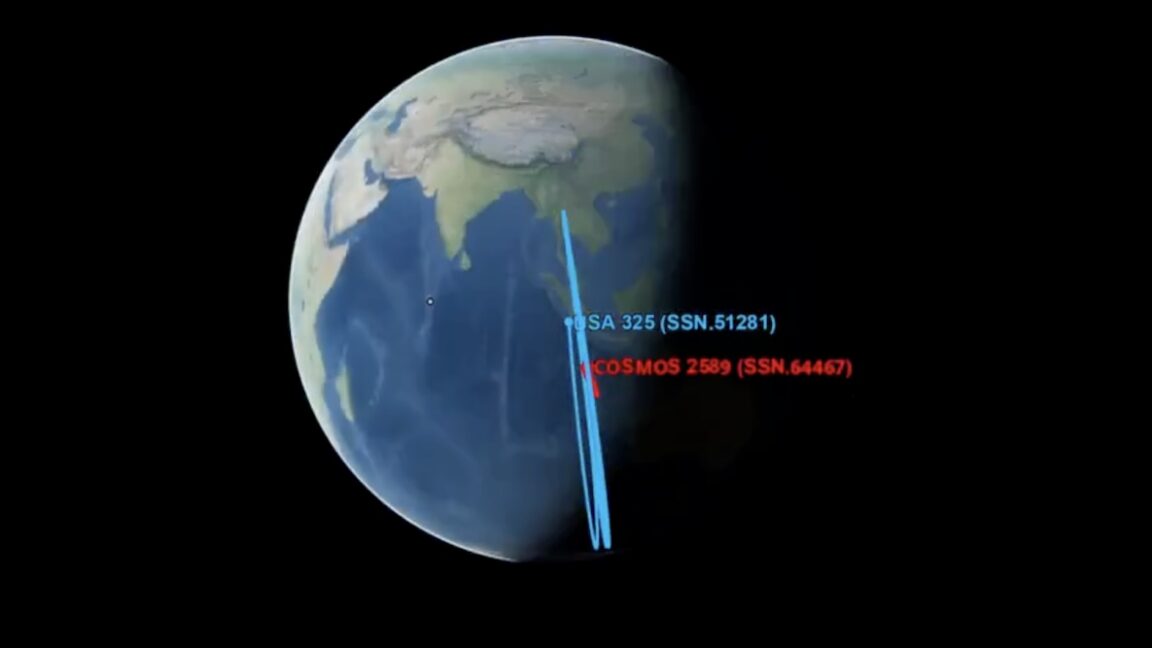
Russia Joins GEO Spy Satellite Race
The US, China, and Russia are all stepping up their satellite surveillance in geosynchronous orbit. It's a crowded, tense new space race.
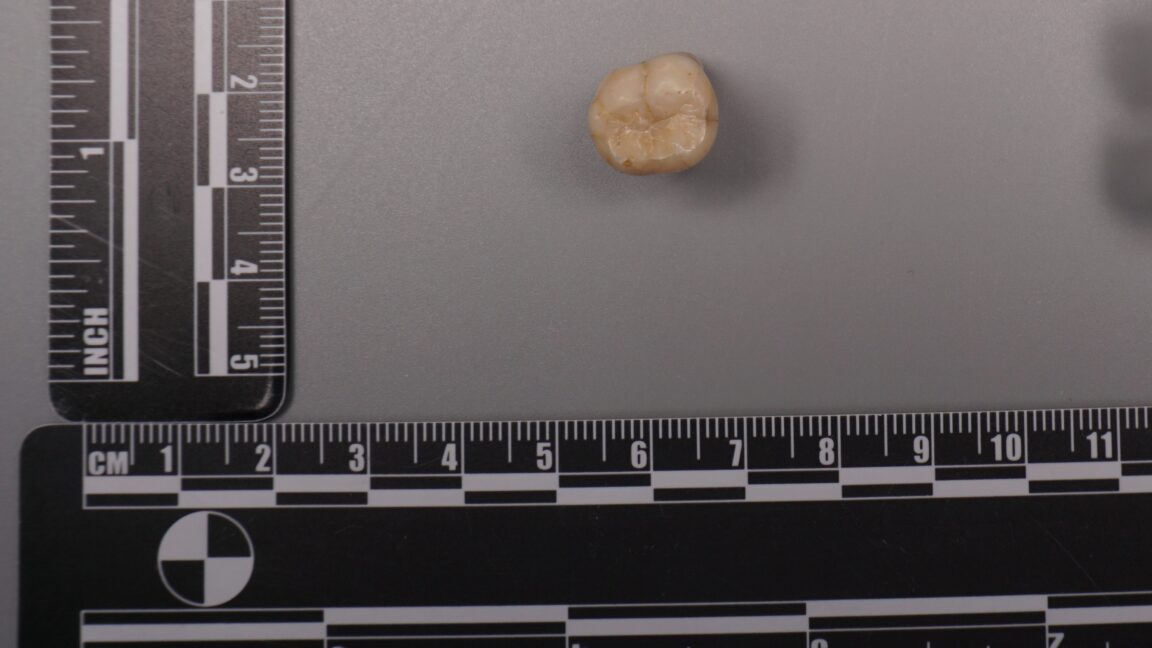
Homo Erectus Proteins Reveal Denisovan DNA Link
Researchers find proteins in Homo erectus teeth hinting at Denisovan DNA connections, potentially reshaping our understanding of human ancestry.
Don’t miss these

Apple's $599 MacBook Neo: Price Bomb or Supply Headache?
Apple's MacBook Neo launches at $599, seriously undercutting its existing lineup. But don't get too excited; supply constraints are already a concern.

The Boys Showrunner Denies 'Vought Rising' Tie-in Was Commercial Stunt
The Boys' Eric Kripke assures fans that Season 5's ties to 'Vought Rising' were not driven by commercial motives but creative storytelling.
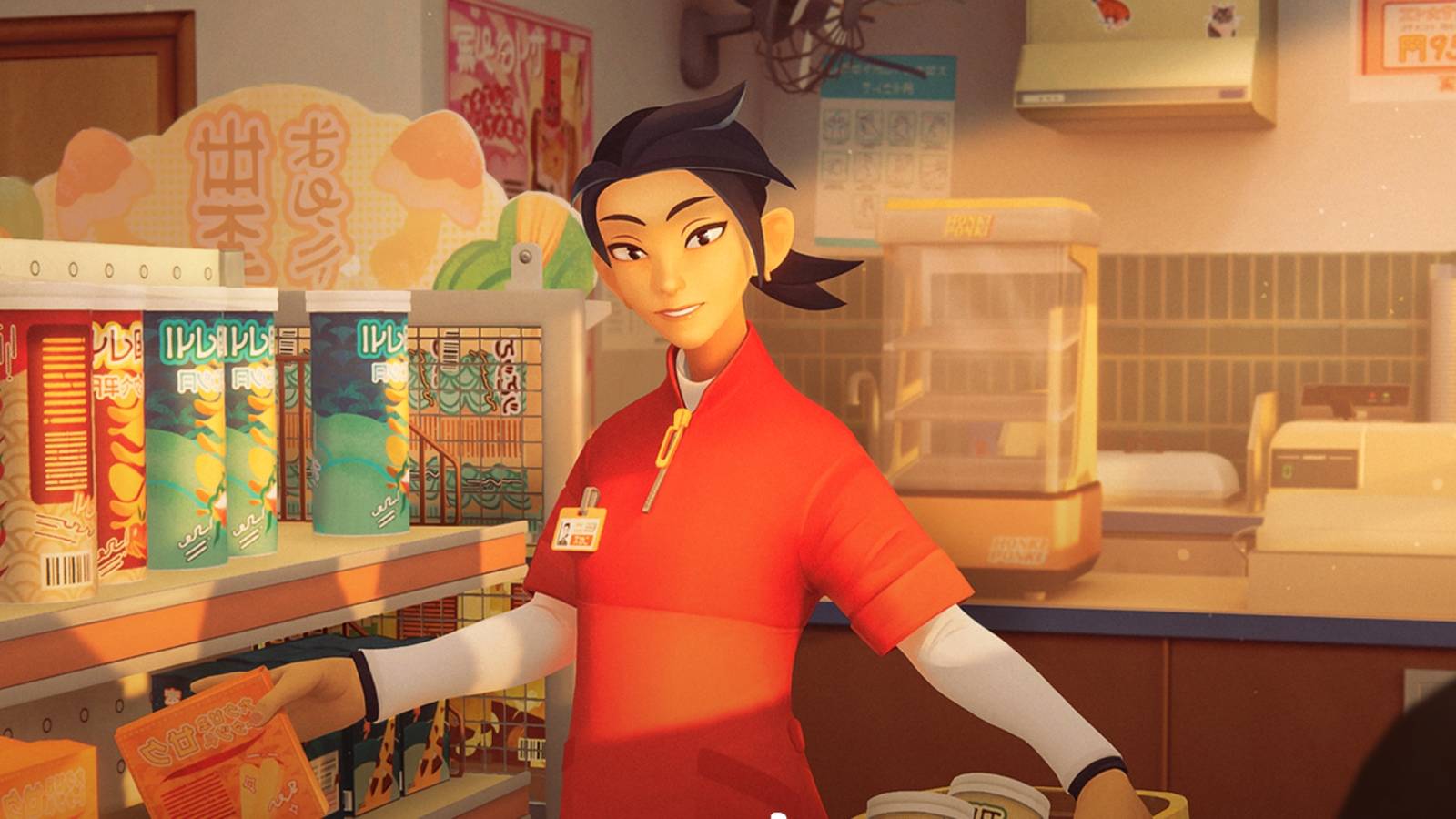
Inkonbini: Your Next Chill Trip to a Japanese Convenience Store
Want to escape? Inkonbini drops players into a Japanese convenience store, blending simple tasks with genuinely heartwarming connections. It's pretty zen.

Apple Watch Series 12: New Chip, But No Touch ID?
The Apple Watch Series 12 might get a fresh chipset design, but Touch ID is reportedly off the table for this year's model.

AI's $20 Million Club: A Growing Chasm as Layoffs Mount
Some 10,000 people in AI are worth $20M+, but most tech workers? They're facing layoffs and a shaky future, says Deedy Das.

Cats Lock App Prevents Accidental MacBook Keyboard Input
Cats Lock disables the MacBook keyboard, preventing unwanted input from your feline friends. Available now on the Mac App Store for $2.99.