iPhone 18 Pro Max vs Samsung Galaxy S26 Ultra: Which Flagship Fits Your Needs?
Two premium giants, each with strengths. Find which aligns with your priorities.
iPhone 18 Pro Max vs Samsung Galaxy S26 Ultra: Which Flagship Fits Your Needs?
You've narrowed it down to two top contenders: the iPhone 18 Pro Max and the Samsung Galaxy S26 Ultra. It's 11pm, and your cart is open. Now comes the real question: which one truly fits your lifestyle and priorities? This guide won't make the decision for you, but it'll lay out every consideration so you can make the choice that feels right.
The 30-second summary
The iPhone 18 Pro Max excels in software longevity and ecosystem integration, perfect for those invested in Apple's world. The Samsung Galaxy S26 Ultra shines with its versatile camera system and expansive display, ideal for media enthusiasts and creatives. Ask yourself: do I value seamless integration and long-term updates, or is cutting-edge camera tech and display more my style?
Current deals and reviews for the Samsung Galaxy S26 Ultra on Amazon.
Specs at a glance
| Feature | iPhone 18 Pro Max | Samsung Galaxy S26 Ultra |
|---|---|---|
| Price | Around $1,300 | Around $1,250 |
| Display | 6.7" LTPO Super Retina XDR | 6.9" Dynamic AMOLED 2X |
| Chip | A18 Bionic | Exynos 2500/Snapdragon 8 Gen 3 |
| RAM/Storage | 8GB/128GB, 256GB, 512GB, 1TB | 12GB/256GB, 512GB, 1TB |
| Camera | Triple 48MP + LiDAR | Quad 200MP + 12MP + 10MP + 10MP |
| Battery | 4,500 mAh | 5,000 mAh |
| Charging | 30W wired, 20W wireless | 45W wired, 25W wireless |
| Software-update window | 6 years | 4 years |
| Standout feature | Seamless Apple ecosystem | S-Pen and advanced camera |
Design & Build
Both phones offer a premium build, with the iPhone's surgical-grade stainless steel and the Galaxy's aluminum frame. The iPhone 18 Pro Max has a more understated design, with its classic aesthetics and Ceramic Shield front. The Galaxy S26 Ultra, in contrast, leans into a bold design, featuring a curved display and an integrated S-Pen.
In terms of daily use, the iPhone feels slightly heavier and more robust, weighing around 240 grams, while the Galaxy offers a lighter feel at about 228 grams, despite its larger screen real estate. This can make a difference for users who hold their phones for extended periods, like during a long commute or while lying in bed browsing the internet.
- This leans toward the iPhone for those who value a timeless, durable design. Toward the Galaxy for fans of innovative, larger displays.
Display
The iPhone 18 Pro Max features a 6.7-inch LTPO Super Retina XDR display, offering vibrant colors and deep blacks with a resolution of 2796 x 1290 pixels. The Galaxy S26 Ultra pushes the boundaries with a 6.9-inch Dynamic AMOLED 2X display, providing a more immersive viewing experience with its higher resolution of 3088 x 1440 pixels and a 120Hz refresh rate.
If your priority is a larger, more dynamic display for activities like gaming or watching videos, the Galaxy S26 Ultra has the edge. For those who prefer a slightly more compact device with excellent display quality, the iPhone holds its ground. Imagine sitting in a dimly lit room, streaming your favorite series, and seeing the vivid colors pop on the expansive Galaxy screen.
- This leans toward the Galaxy for those prioritizing an expansive media experience. Toward the iPhone for a balanced, high-quality display.
Performance
With Apple's A18 Bionic chip, the iPhone 18 Pro Max sets a high bar for speed and efficiency. This chip includes a 6-core CPU, 5-core GPU, and a 16-core Neural Engine, allowing it to handle resource-intensive applications seamlessly. Meanwhile, the Galaxy S26 Ultra's Exynos 2500 or Snapdragon 8 Gen 3 is no slouch, featuring a 3.2 GHz octa-core processor capable of delivering top-tier performance across tasks.
Both devices handle multitasking and demanding apps with ease. However, iOS offers a slightly more optimized experience due to Apple's control over hardware and software integration. For instance, opening multiple tabs in Safari or Chrome while streaming music in the background would feel fluid on both devices, yet some users note the iPhone's transitions as slightly smoother.
- Genuinely a wash here. Both devices offer outstanding performance for any user.
Camera/Capability
The iPhone 18 Pro Max features a triple camera setup with LiDAR, known for its consistency and excellent video quality. It includes a 48MP main sensor, a 12MP ultra-wide, and a 12MP telephoto lens. The Galaxy S26 Ultra boasts a quad-camera system with a whopping 200MP main sensor, a 12MP ultra-wide, a 10MP telephoto with 3x zoom, and another 10MP periscope telephoto with 10x zoom, excelling in versatility and zoom capabilities.
Daily photographers who enjoy a straightforward yet powerful camera might lean towards the iPhone. Meanwhile, those who love exploring different photo modes, including extreme zoom, may find the Galaxy more appealing. Imagine capturing a stunning sunset or zooming in on a distant subject and appreciating the nuances in detail that the Galaxy's camera can offer.
- This leans toward the iPhone for video and consistent results. Toward the Galaxy for photography enthusiasts.
Battery & Charging
The iPhone's 4,500 mAh battery is efficient, thanks to its software optimizations, while the Galaxy's 5,000 mAh pack offers slightly more endurance. Charging speeds are faster on the Galaxy with its 45W wired option, compared to Apple's 30W. This means in a real-world scenario, like rushing out the door in the morning, the Galaxy could give you significantly more juice in a short 15-minute charge.
For users who prioritize fast charging and long battery life, the Galaxy S26 Ultra might be more appealing. If you're content with reliable performance and Apple's ecosystem benefits, the iPhone suffices. The difference becomes apparent on busy days when charging opportunities are scarce.
- This leans toward the Galaxy for heavy users needing quick top-ups. Toward the iPhone for those valuing longevity and efficiency.
Software & Longevity
Apple's promise of 6 years of updates makes the iPhone 18 Pro Max a future-proof choice. Samsung offers a respectable 4-year update window, but it's slightly outpaced by Apple's commitment. In a practical sense, this means an iPhone user can expect to receive iOS updates well into the 2030s, keeping their device secure and up-to-date with the latest features for longer.
For those who plan to keep their device for many years and value consistent software updates, the iPhone is a strong contender. If cutting-edge features and customizations are more your style, Samsung's offering is compelling. Picture yourself a few years down the line, still receiving new software capabilities that enhance your phone experience.
- This leans toward the iPhone for long-term software support. Toward the Galaxy for users seeking the latest features and flexibility.
Which one fits you
- Long-term keeper: If you plan to use your phone for 5+ years and care about updates, the iPhone 18 Pro Max with its 6-year support window is your match.
- Photography enthusiast: If you love shooting diverse scenes, especially in low light, the Galaxy S26 Ultra's camera flexibility is your friend.
- Display lover: If a large, vibrant screen is your top priority, the Galaxy's 6.9-inch display is hard to beat.
- Ecosystem user: If you're already deep in Apple's ecosystem, the iPhone offers seamless integration.
- Power user: If fast charging and maximum performance are critical, consider the Galaxy for its battery and charging speed.
- Balanced user: If you want a bit of everything without compromise, weigh which features truly enhance your daily routine.
The bottom line
Both the iPhone 18 Pro Max and Galaxy S26 Ultra are exceptional devices, each mastering its domain. The decision largely hinges on whether you prioritize Apple's ecosystem and software longevity or Samsung's cutting-edge display and camera versatility. Choose based on what aligns best with your lifestyle and future plans.
Current deals and reviews for the Samsung Galaxy S26 Ultra on Amazon.
Check prices →One short email. The most important Mobile news, fact-checked, no fluff. Free, unsubscribe anytime.
More from Mobile

Amazon Slashes MacBook Air M5 to Just €999—€200 Under Apple's Price
Amazon's got the new MacBook Air 13 (M5) for €999, a solid €200 less than Apple wants. You get the latest Apple gear, without the usual sticker shock.

Meta Ray-Ban Glasses Get AI Handwriting – Finally
Meta's Ray-Ban smartglasses just got a big update: AI handwriting recognition and display recording. Plus, expanded navigation for major cities. But don't get too excited, Europe.

Unlock Hidden Pixel Features for Enhanced Daily Use
Uncover hidden gems on the Pixel 10 Pro like Quick Tap and the Magnifier app to enhance your phone experience.
Whoop 5.0 vs Fitbit Air: Display-Free Fitness Trackers Compared
Compare the Whoop 5.0 and Fitbit Air: these display-free trackers offer unique features and pricing. Discover which fits your fitness goals.
Don’t miss these

Heise devSec 2026 Highlights Secure Software and AI in Marburg
Heise devSec 2026 focuses on secure software development and AI security in Marburg, with 36 talks and workshops on key industry challenges.
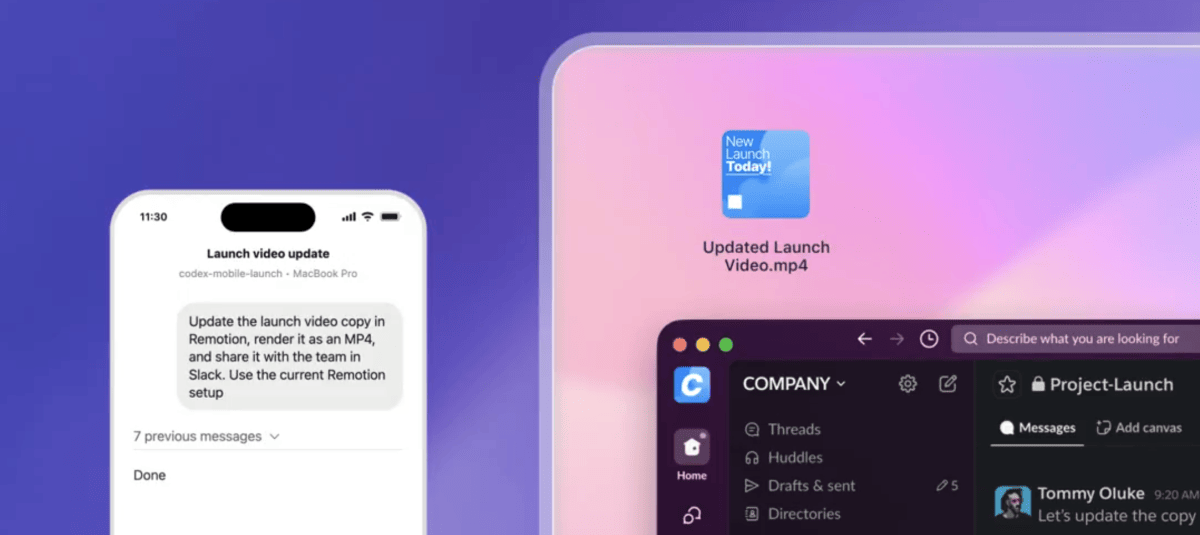
ChatGPT iPhone App Now Controls Your Mac; Windows Support Coming
OpenAI is testing a new feature allowing control of macOS via the ChatGPT iPhone app, with plans to extend to Windows.

Microsoft Rebrands Xbox to XBOX Under New Leadership
Microsoft renames Xbox as XBOX under new leadership, aiming to reconnect with community and adjust Game Pass prices.

Amazon Slashing Soft Drink Prices: Cans Start at €0.58
Get ready to stock up: Amazon's dropped prices on popular soft drinks like Coke, Pepsi, Sprite, and Fanta, with cans as low as €0.58.

Deutsche Bahn Aims for Profitability by 2026 with Cost Cuts
Deutsche Bahn plans to break even by 2026 through efficiency measures, following significant financial losses.

Massive Black Holes Grow Differently, Study Finds
Forget what you thought about massive black holes. New Cardiff University research says they're not from collapsing stars, but cosmic collisions. Big shake-up for astronomy.