Google Foils AI-Driven Zero-Day Exploit Before Major Cyberattack
Google's GTIG spots and blocks AI-crafted zero-day threat, averting massive cyberattack.
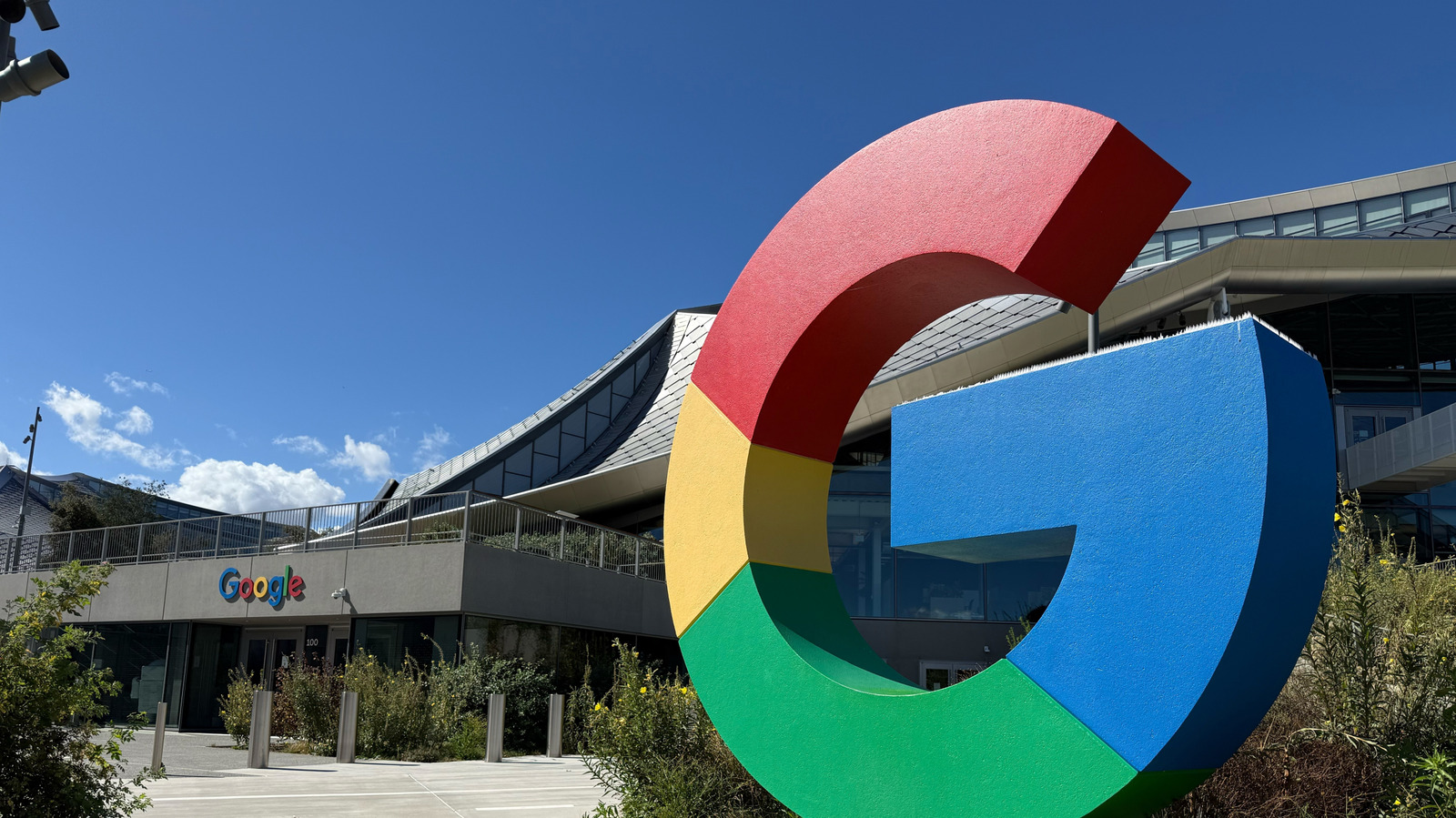
Google's Threat Intelligence Group (GTIG) just caught something big: a zero-day exploit made with AI. It's a first, linking AI directly to creating such vulnerabilities. And it raises serious questions about AI's role in cybercrime.
Zero-day vulnerabilities are dangerous. They're unknown, so there's no defense. The GTIG report said attackers planned a 'mass exploitation event' with this exploit. But Google stopped it before it could happen. Google's own AI, like Gemini, wasn't involved. Still, they’re 'highly confident' an AI model helped find and weaponize the exploit.
We don't know who was targeted. Google's told them, and they’ve fixed the hole. No names for the attackers yet, but China and North Korea often look to use AI for cyberattacks.
John Hultquist, GTIG's chief analyst, called it 'a taste of what's to come.' It’s the first clear proof of AI-driven attacks. AI's not just for bad guys though. Companies, Google included, use AI to boost security. Anthropic's Project Glasswing, for example, uses its Claude Mythos Preview to catch and fight severe vulnerabilities.
Key Points:
- Google’s GTIG found a zero-day exploit made with AI.
- Attackers planned a 'mass exploitation event,' but it was blocked.
- AI's role in cyber defense and attack is growing.
Background: AI's evolving fast, with more uses for good and bad. This case shows AI’s dual nature, a powerful tool for both hackers and security experts.
What's still unclear:
- Which AI model was used for the exploit?
- Who was the target?
- Who are the threat actors?
Why this matters: It’s a wake-up call. As AI becomes a double-edged sword, tech companies and governments need to step up their cybersecurity game.
More from AI

Goodfire Launches Tool to Enhance AI Transparency with Neuron Control
Goodfire rolls out a tool to control AI model neurons, aiming to solve AI's black box mystery.

Thinking Machines Lab Develops AI Model for Natural Conversations
Thinking Machines Lab is crafting an AI model for instant responses, aiming to mimic human-like chats.
OpenAI Launches Daybreak, Competing with Anthropic's Project Glasswing in Cybersecurity
OpenAI's Daybreak steps up to Anthropic's Project Glasswing, embedding cyber defense right into software.

OpenAI Launches Daybreak: A New AI Initiative for Cybersecurity
OpenAI rolls out Daybreak, an AI initiative to catch vulnerabilities before hackers do. It uses Codex and other models for better security.
Don’t miss these

Blue Angel Expands to Software Certification for Sustainability
Germany's Blue Angel label now includes software, pushing for eco-friendly development. See how certification helps companies and the planet.
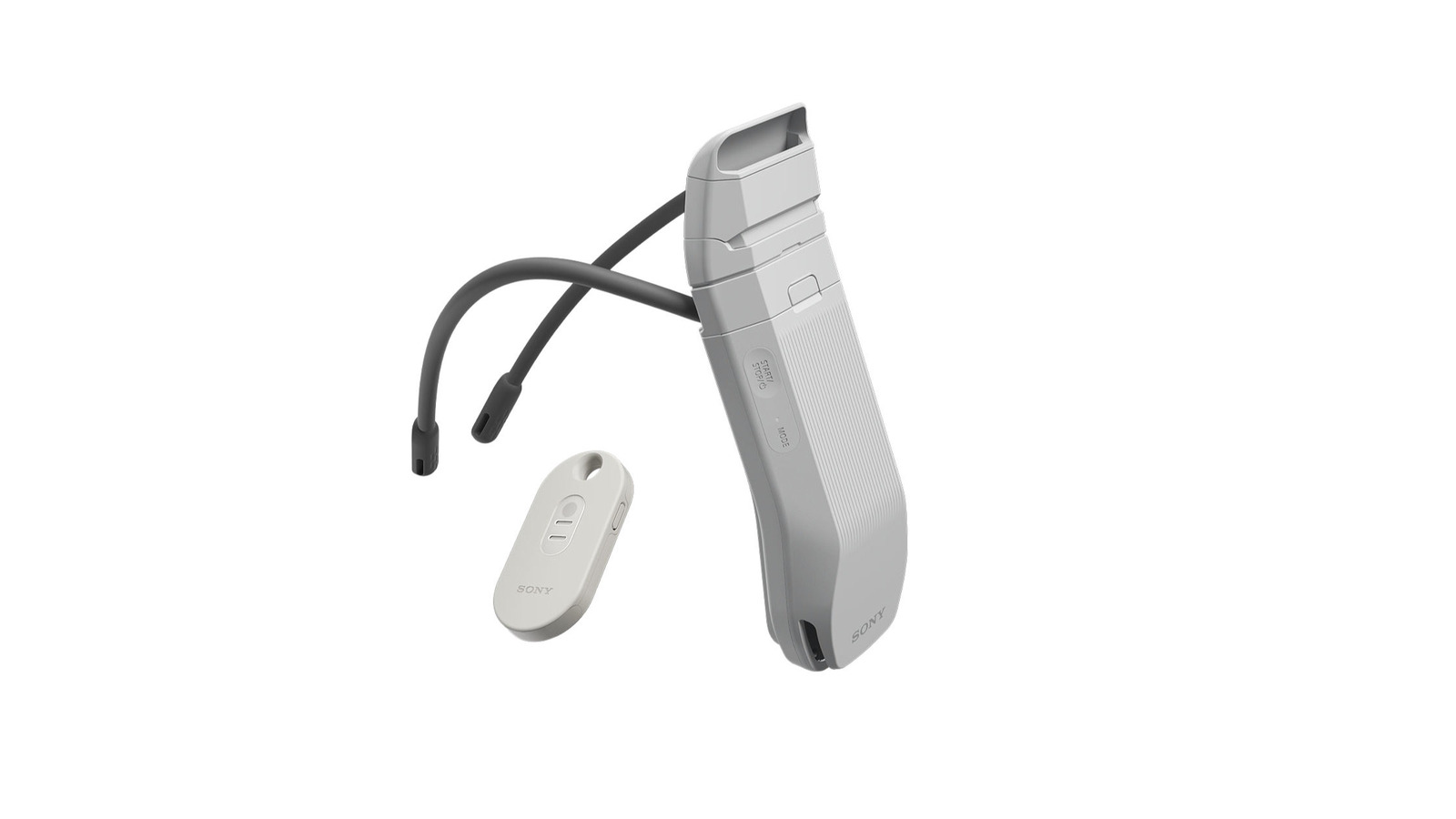
Sony's Reon Pocket Pro Plus: Enhanced Wearable AC Now Available in Europe
Sony's Reon Pocket Pro Plus cools 20% better, adds stability features, and a companion app, available in Europe for £199/€220.

Charging Your EV with Home Solar Power: Benefits of New Tax Laws
Charging your electric company vehicle at home using solar power may offer a tax-free reimbursement alternative to traditional grid feed-in tariffs.

Philips Hue Firmware Update Enhances Bridge v2 and Pro Performance
Signify has rolled out fresh firmware for Philips Hue Bridge v2 and Bridge Pro, focusing on performance boosts and reliability.

Apple Requires Brazilian License for Betting Apps
Brazilian betting apps need a local license to stay on Apple's App Store. It's all about compliance.

Stellar Blade 2 Could Expand Beyond PS5
Shift Up considers launching Stellar Blade 2 on Xbox and PC, expanding beyond Sony's console.