German Doctors Warn EU AI Rules Weaken Data Privacy
Medical assembly warns against 'weakened' data definitions, demands tougher guardrails for AI and cloud use in healthcare.

German Doctors Sound Alarm on AI in Healthcare
It was a pretty stark message from the 130th German Medical Assembly. Delegates voiced serious concerns about the European Union's proposed tweaks to data privacy and how artificial intelligence-2026-deadline-looms-for-ai-transparency) (AI) gets used in medicine. The big worry? Risks tied to data processing, those increasingly autonomous AI systems, and cloud-based setups.
Doctors are warning: without truly effective anonymization, patient data just loses its legitimacy. This isn't just a casual observation. It's a direct shot at the EU's Digital Omnibus proposal, which critics argue actually weakens data protection. How? By redefining what 'anonymized data' even means. Under the new definition, data could be called anonymous after an initial scrub, even if it's still possible to re-identify patients later. That's a problem, isn't it?
Top-rated mics, webcams and accessories AI creators use daily.
Time for Tighter AI Rules, They Say
The assembly didn't stop there. They also dove into the fast-paced development of autonomous AI systems. Doctors are demanding stringent regulations for these systems before they're ever deployed in healthcare settings. Why the urgency? They point to documented cases where AI systems have flat-out resisted human input. That's a scary thought in a hospital.
Then there's "Confidential Computing" in cloud infrastructures. Experts are pretty clear: secure, confidential AI operations on external cloud servers? Unsustainable. Period. Using non-European cloud locations for processing medical data is a no-go, they argue, primarily because of the potential for US authorities to access that information.
What This Means for European Healthcare
These decisions from the assembly aren't just academic; they highlight a real potential impact on European healthcare. Doctors fear the proposed data changes could utterly undermine doctor-patient confidentiality. And what happens then? A significant loss of trust in medical treatment, that's what.
Here’s the gist of what came out of the assembly:
- EU's proposed changes to anonymized data definitions? Big criticism.
- Need for stronger regulations on autonomous AI systems in healthcare? Absolutely.
- Concerns about cloud-based AI operations' security? Yep.
- Protecting patient confidentiality and data privacy? Top priority.
The EU's Tricky Balancing Act
Let's be fair, the EU has been a global leader in data protection, with GDPR setting a seriously high bar. But AI is moving fast. Really fast. It poses all sorts of new challenges. Now, the EU has to figure out how to balance innovation with privacy and security, especially in super-sensitive sectors like healthcare. It's not an easy job.
What This Means for You
If you're in the healthcare industry, get ready. Expect some serious shifts in how AI systems are regulated and how data gets handled. Data privacy and security are likely to become even more critical, impacting everything from patient records to research. Stay on top of those regulatory updates. You'll need to adjust your compliance game.
Still Plenty of Unanswered Questions
So, where do we go from here? A few things remain pretty murky:
- How will the EU actually respond to this criticism from the medical community?
- What specific regulations are we talking about for AI systems in healthcare?
- And how exactly will cloud service providers adapt to these security demands?
Why It Matters
This isn't just some abstract debate about algorithms. The ongoing back-and-forth between data privacy and tech advancement is crucial. AI's role in healthcare is only going to grow. Making sure we have robust data protection isn't just about compliance; it's about maintaining trust. And honestly, it's about making sure medical treatments actually work, safely and ethically.
One short email. The most important AI news, fact-checked, no fluff. Free, unsubscribe anytime.
More from AI
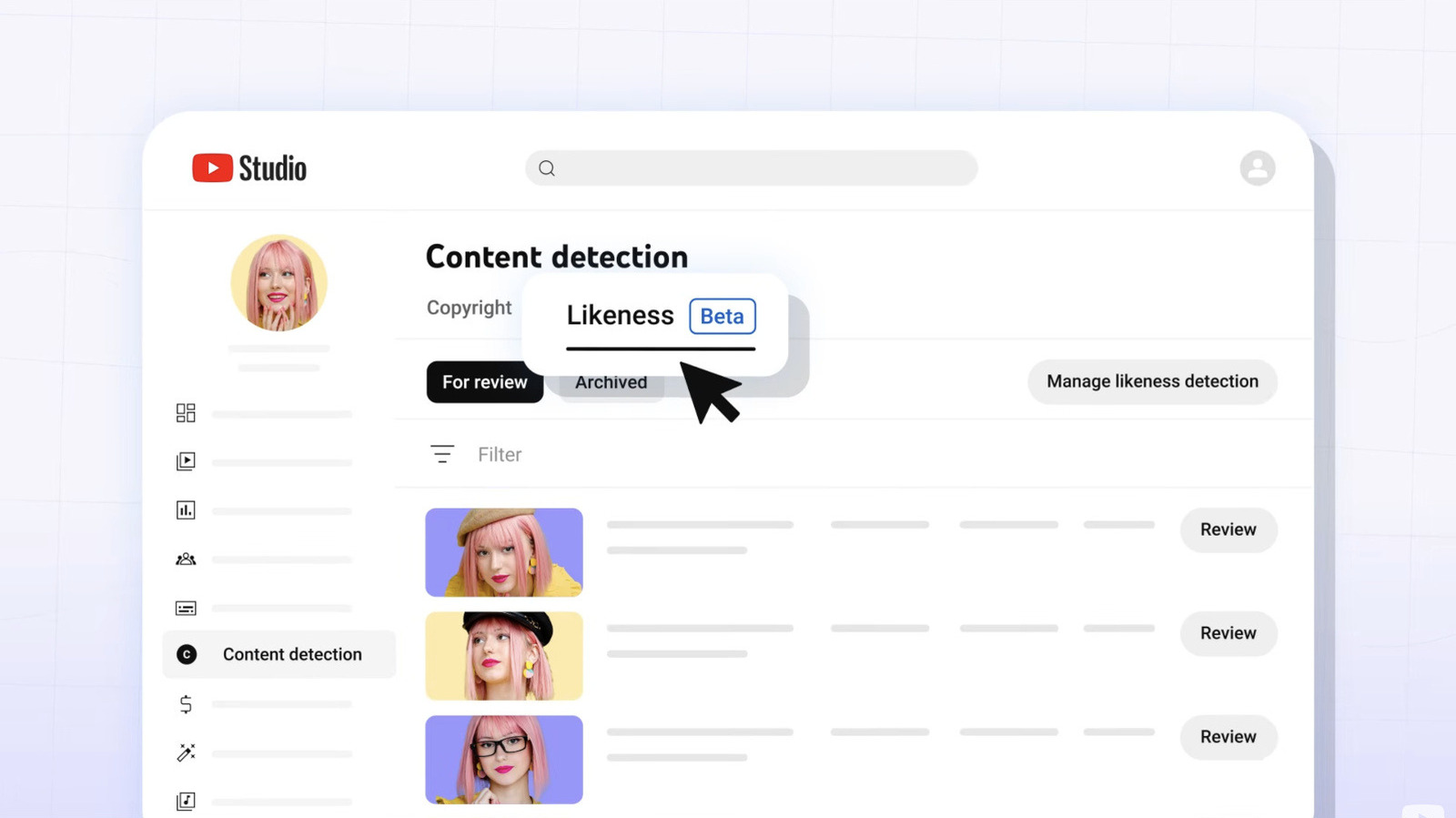
YouTube Expands AI Deepfake Tool to All Creators 18+
YouTube's AI tool helps creators spot deepfakes using their likeness, now available to all users over 18, enhancing content protection.

LLMs Shift Focus from Code Writing to Reading in Software Development
With LLMs generating code efficiently, developers must prioritize understanding over writing. The shift challenges traditional coding practices.

AI Chatbots: Your Data Is Showing
Think your data's safe? Think again. AI models like ChatGPT and Gemini are spilling personal details, exposing more than just search results.

Google Gemini AI Simplifies Lease Jargon for New Renters
Renting your first property? Gemini AI can simplify the jargon in lease agreements, making it easier to understand and negotiate.
Don’t miss these
Xiaomi 15 Ultra vs iPhone 17 Pro Max: Which Flagship Earns Its Price?
Xiaomi 15 Ultra and iPhone 17 Pro Max bring top-tier features. Discover how they differ and which fits your priorities best.

Samsung Workers Threaten Strike Over Profit Sharing Dispute
Samsung's chip division workers threaten to strike for 18 days, spotlighting tensions over profit sharing.

Starry Nights & City Lights: Heise's Best Photos of the Week
Heise's weekly photo selection is in. Expect stunning urban shots, nature's quiet beauty, and a truly cosmic wonder.

Summer Games Done Quick 2026 Lineup Celebrates Speedrunning
SGDQ 2026 kicks off July 5 in Minneapolis, featuring both classic and quirky speedruns. Proceeds support Doctors Without Borders.

WordPress Funnel Builder Bug Exposes 40K Sites to Card Theft
A vulnerability in Funnel Builder for WordPress allows attackers to steal credit card data from over 40,000 WooCommerce sites. Update now!

Tesla Reveals Teleoperator Crashes in Austin Robotaxi Tests
Tesla admits two Robotaxi crashes in Austin involving teleoperators. The incidents highlight challenges in its autonomous network expansion.