Tesla Model 3 Battery Life: 600,000 km With 34% Capacity Drop
YouTube test shows 34% battery drop, but Model 3 still goes the distance.
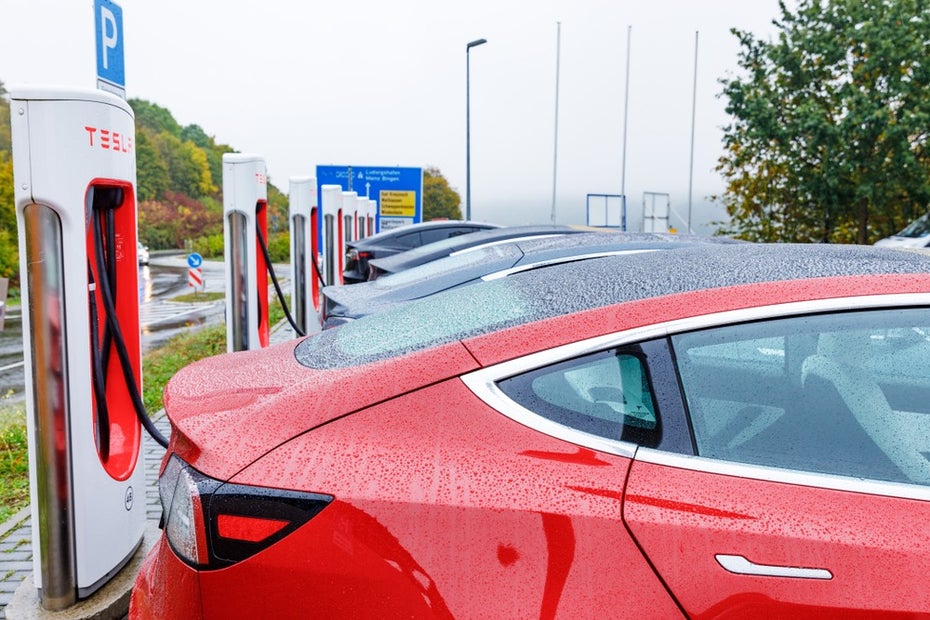
EV batteries—how long do they last? That's the big question. Drive Protected, a YouTube channel, took a Tesla Model 3 Standard Range Plus, with over 600,000 km on it, for a spin. The results? Eye-opening. Sure, there's a 34% dip in battery capacity, but it’s still in the game for daily commutes and road trips.
The Test: 600,000 Kilometers Later
This Model 3 has been on the road since 2019. Seven years of heavy driving, way beyond the 14,600 km average annual mileage reported by Germany's Federal Ministry of Transport. Yet, it keeps about 65.8% of its original battery life.
Drive Protected found that after charging, the car showed a 254 km range—a 34.2% drop from new, according to insideevs.com. But on the highway, averaging 110 km/h, it still covered nearly 223 km. Not bad, right?
Insights into Battery Longevity
Data from Geotab suggests EV batteries lose about 2% capacity annually, faster if you drive a lot. But this Model 3's durability challenges those battery-life naysayers.
For context, a University of Birmingham study pegged average EV lifecycle mileage at 200,000 km—gasoline cars at 187,000 km, diesel at 257,000 km. This Model 3 blows past those figures.
How It Compares to Other EVs
The Model 3 stands strong against other EVs. Some competitors report faster degradation, which might sway buyers. Remember: while all EVs lose capacity, the rate and impact vary.
What's Still Unclear:
- Long-term Performance: How does reduced capacity affect acceleration or charging speed?
- Battery Replacement Costs: When does replacing the battery make sense financially?
- Future Advancements: Will new battery tech beat current degradation rates?
Why This Matters:
These real-world results are vital for EV buyers and owners. They highlight the need to understand battery longevity. For those skeptical of EV endurance, this is proof: EVs can last longer than expected. As the EV market grows, insights like these will build consumer trust and set industry benchmarks.
More from EV & Auto

Choosing the Best Home Charging Solution for Your EV: Wallbox, CEE, or Schuko?
Charging your EV at home doesn't have to break the bank. Let's look at Schuko, CEE, and Wallbox options, plus dynamic electricity tariffs.

Porsche Shuts Down Key Subsidiaries Amid Declining Sales
Porsche shuts down e-bike, battery, and software units, focusing back on core areas after a sales drop.

Germany Introduces New Subsidies for Electric Vehicles
Germany's new EV program offers subsidies up to €6,000, depending on income and family size.

Deutsche Bahn's Infrastructure: Stabilized Yet Facing Significant Challenges
Deutsche Bahn says its infrastructure’s finally stabilized, stopping a decline. But signal boxes and crossings? Still big issues.