Mortal Kombat II: A Campy Action Sequel with Enhanced Fight Scenes
The sequel sharpens its fight scenes while keeping its campy roots.
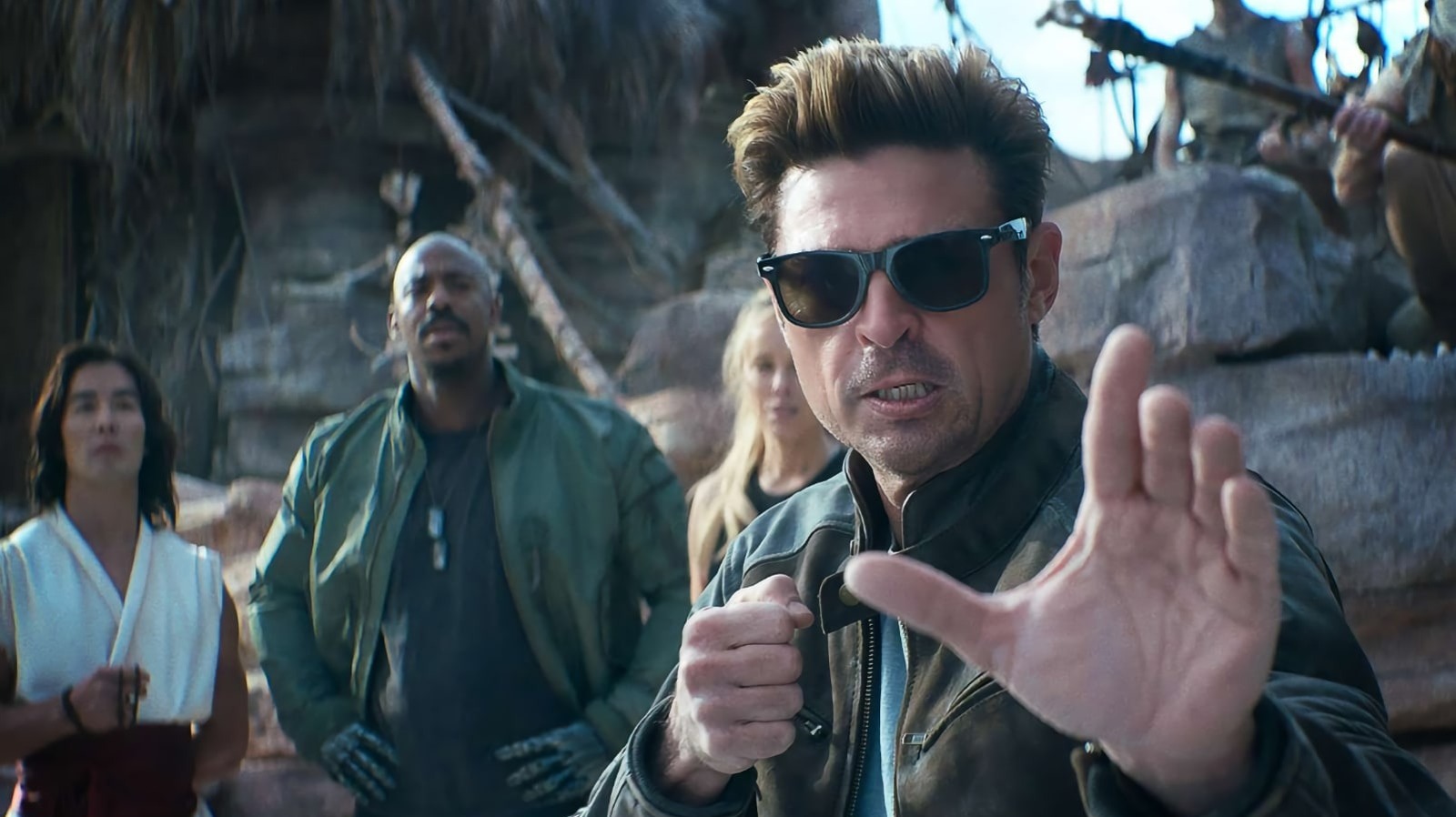
The team behind Mortal Kombat II managed a rare feat: they improved on the original while staying true to its spirit. Director Simon McQuoid and writer Jeremy Slater took lessons from past mistakes, offering more than just a '90s action flick nostalgia trip. They embraced the camp of the 1995 Mortal Kombat movie and delivered a film that feels both fresh and familiar.
A Refined Approach to Action
Mortal Kombat II stands out with intricate fight choreography, a big step up from its predecessor. The action scenes show off characters' skills and creativity, using the environment in clever ways. Quips aren't just for laughs—they add layers to both characters and story.
The film's action is both visually striking and tells a story. McQuoid's focus on choreography creates fight scenes like a dance, with even silent exchanges telling a tale.
Character Depth Amidst Camp
The sequel doesn't shy away from the franchise's fantastical superpowers and world-altering tournaments. But there's also room for character development, especially with Johnny Cage. Karl Urban plays Cage as a washed-up star turned reluctant hero, adding depth to a potentially flat character.
Johnny Cage's journey is humorous and heartfelt. Urban's performance makes his transformation believable and engaging.
A New Focus on Kitana
The film introduces Kitana's tragic backstory, adding emotional weight. Her quest for vengeance against Shao Kahn, her father's murderer, brings seriousness to balance the film's campy side. Kitana's story enriches the film, even if she doesn't lean into humor like Cage.
- Kitana's narrative adds emotional depth.
- Her rebellion against Shao Kahn adds tension.
- Personal stakes and action keep viewers hooked.
Continuing the Legacy
Mortal Kombat II welcomes back faces from the reboot, like Jessica McNamee's Sonya Blade and Ludi Lin's Liu Kang. More elaborate and frequent fight scenes ensure each character has their moment. McQuoid's team put a lot into these scenes, making them dynamic and engaging.
How It Compares
Compared to its 1995 predecessor, Mortal Kombat II offers a more polished and coherent story. The standout fight choreography surpasses the earlier film, appealing even to those who aren't martial arts fans.
What's Still Unclear
- Will the film resonate with audiences unfamiliar with the franchise?
- Does the balance of camp and depth attract or alienate longtime fans?
- How will future installments build on this?
Why This Matters
Mortal Kombat II proves sequels can honor their roots while evolving. It refines action and deepens characters, setting a new standard for video game adaptations. Even in campy action, there's room for storytelling that sticks.
More from Gaming
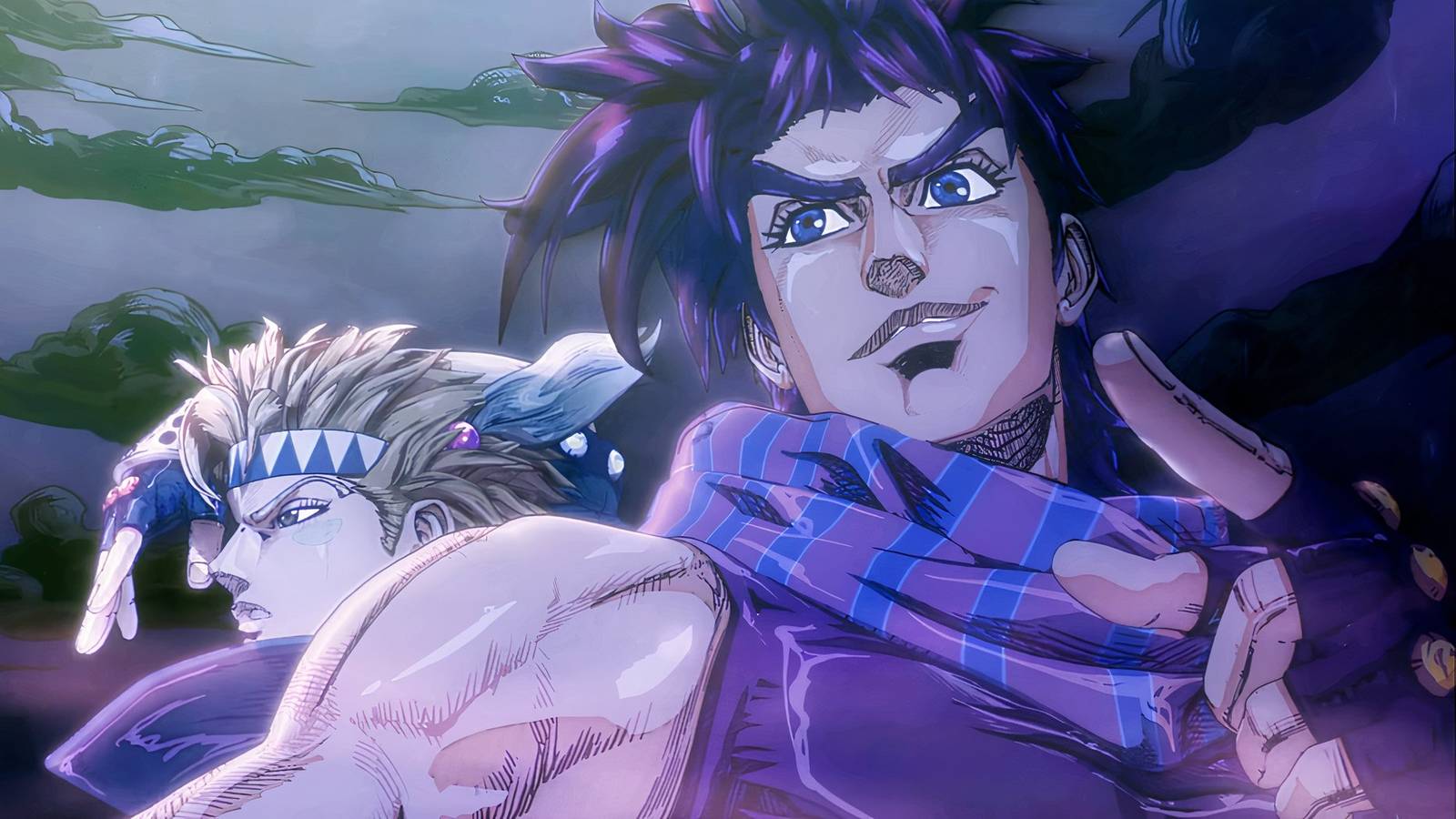
Caesar's Sacrifice: An Emotional Turning Point in JoJo's Battle Tendency
JoJo's Battle Tendency hits hard with Caesar Zeppeli's sacrifice, a moment that shapes the series' legacy.
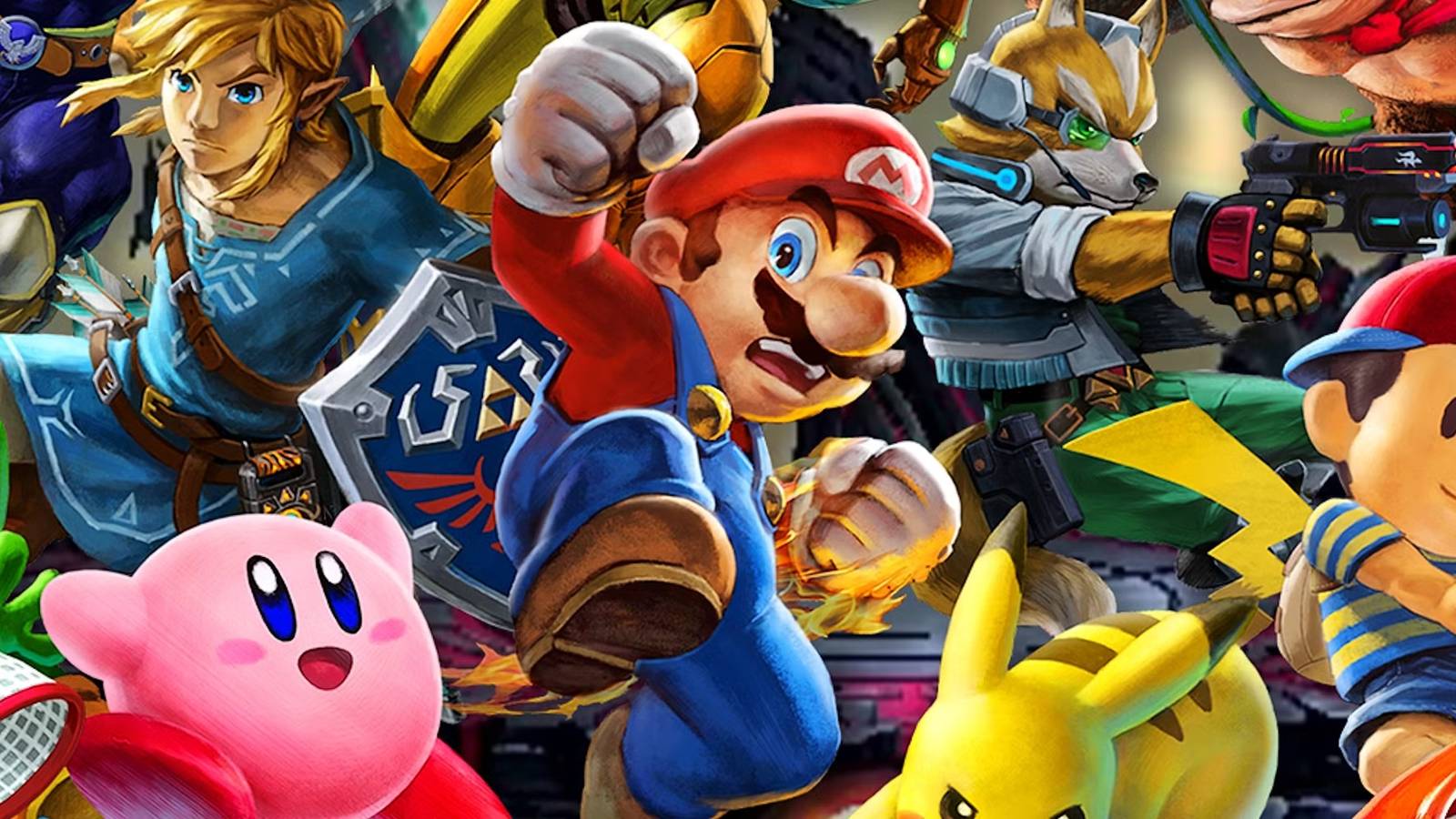
Reggie Fils-Aimé's Stand Against Amazon: A Retail Strategy Insight
Reggie Fils-Aimé shares how Nintendo stood firm against Amazon, revealing insights into its retail approach.
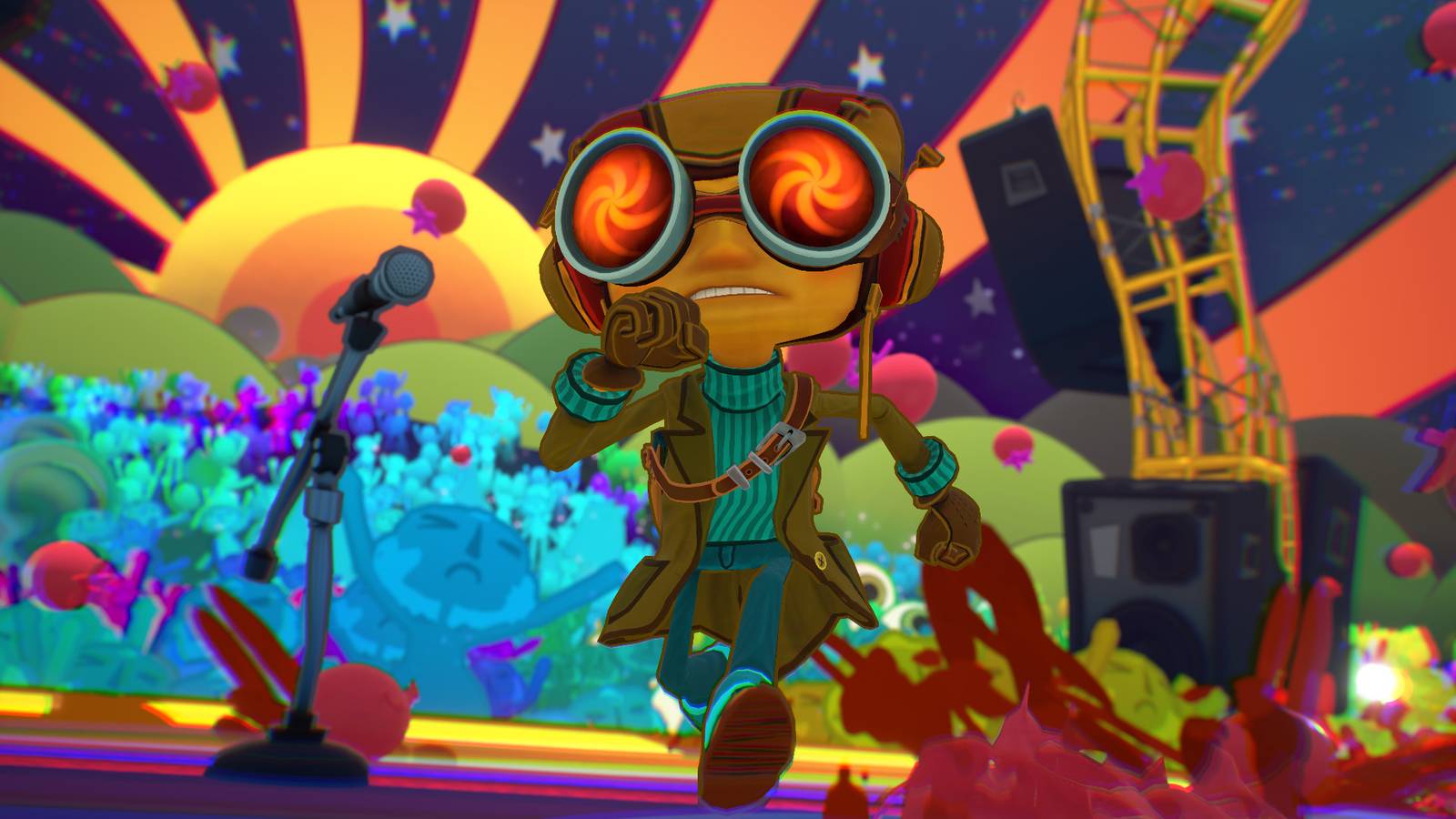
Double Fine Unionizes as Xbox Faces Leadership Changes
Double Fine, known for Psychonauts 2, is unionizing as Xbox shifts strategy under CEO Asha Sharma.
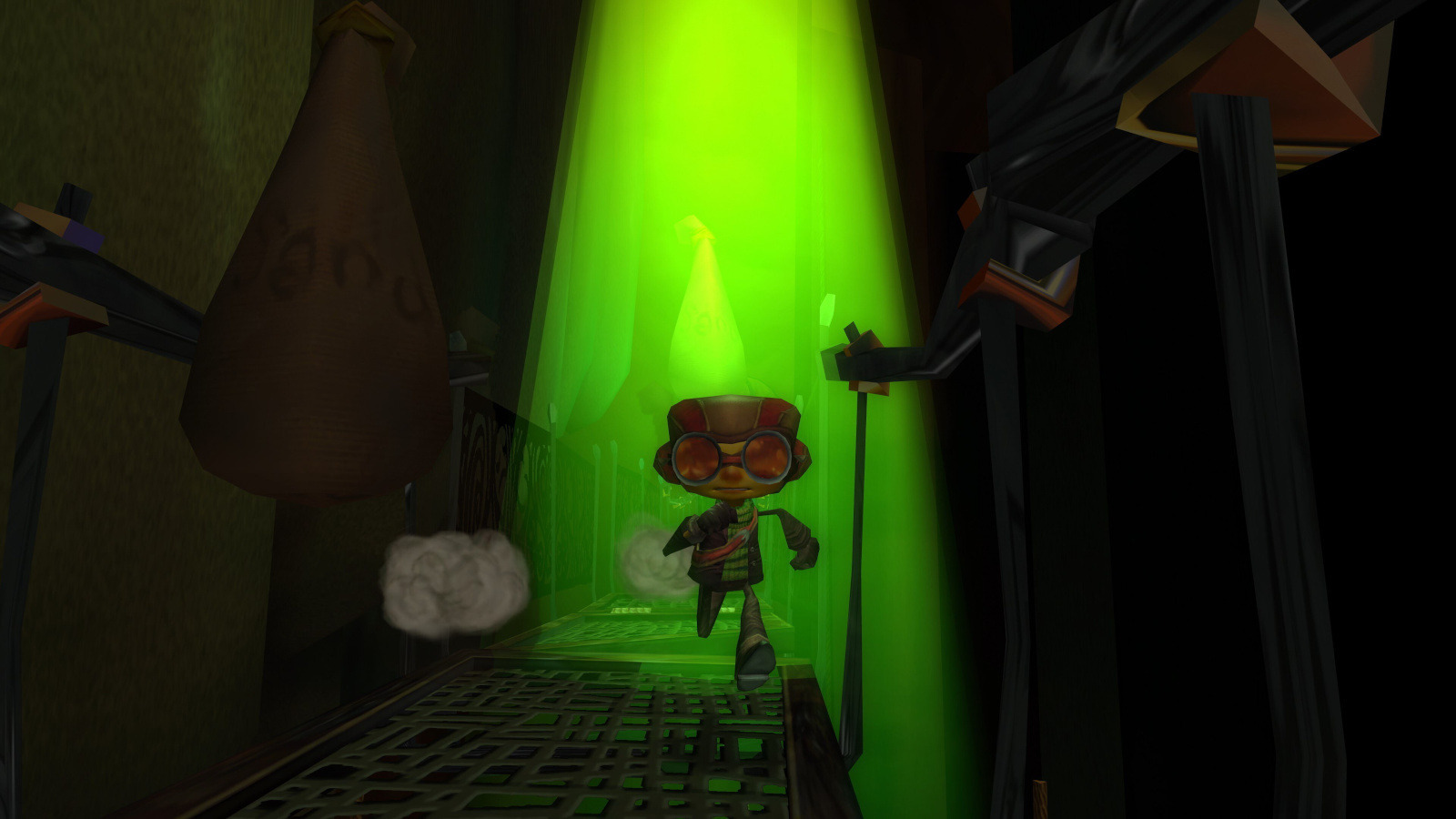
Double Fine Employees Pursue Unionization with CWA at Xbox Studio
Double Fine, part of Xbox Game Studios, seeks union representation with CWA, involving all 42 employees.