Flexible Work is Failing Most Companies, Study Finds
Chaos, disengagement reign as many organizations fumble with hybrid models.

The Flexible Work Fiasco
A new longitudinal study, led by Professor Heike Bruch from the University of St. Gallen, just dropped a bombshell. It points to a big problem in modern workplaces: most companies are actually pretty bad at making flexible work models, well, work. The research even calls a huge chunk of the workforce "modern overwhelmed." That's a nice way of saying many organizations are kinda fumbling the ball on this whole flexibility thing.
The Usual Suspects
Bruch says it's simple: no clear rules, plenty of confusion. One-size-fits-all policies for every team? They just breed chaos, not better output. Only 13% of companies, she found, are what you'd call "successful pioneers." They're the ones actually making modern flexibility pay off, combining it with real economic success.
USB-C hubs, docking stations and webdev gear.
What'd they find?
- Communication? Agreements? Pretty sparse.
- Flexibility often gets totally misunderstood, creating more headaches than solutions.
- Few companies are actually getting it right.
Checking Out: A Generational Problem
There's also a worrying trend: employees are checking out emotionally. Especially Gen Z and Baby Boomers, it turns out. They just don't identify with their employers anymore. Motivation? Down. And frankly, Millennials aren't exactly picking up all the slack. It's what we call "Quiet Quitting," folks. Just doing the absolute minimum, then clocking out.
The Hybrid Hope? Or Hype?
So, what's the knee-jerk reaction? Some companies are trying to force everyone back to the office. Thinking that'll magically fix the motivation problem. But Bruch says that's a mistake. It often just mixes the worst parts of remote and in-office setups. More frustration, less getting done. Her solution? A smarter hybrid model. One where each team decides how to get their work done, together.
"Forcing employees back to the office without structure often results in frustration and inefficiency," Bruch notes.
Europe's Experience
Over in Europe, flexible work has been a huge deal. Especially since the EU Work-Life Balance Directive came along. That directive pushes for flexible setups. But this study says a lot of organizations are still pretty bad at actually making them work. The European tech industry, with its reputation for innovation, might actually show the way. How to balance flexibility and getting stuff done.
What's This Mean For You?
So, what's this mean for you, the employee? Talk to your team. Talk to your boss. Figure out what works. For companies? Ditch the blanket rules. Tailored solutions are the only way. Maybe push for, or put in place, a structured hybrid model. One that actually fits your team's specific needs.
Still So Many Questions
Still, plenty of questions remain. How do different industries, different sized companies, really customize these models? We don't know yet. And the long-term effects on employee satisfaction and productivity? We're still exploring those.
Why It Matters, Plain and Simple
Bruch's take: "Effective flexible work models can boost productivity and employee satisfaction." Her study really hammers home the need for structure. Can't just wing it. Companies globally are still adapting. But the ones with clear communication and smart, tailored flexibility? They're the ones who'll probably win.
One short email. The most important Web & Apps news, fact-checked, no fluff. Free, unsubscribe anytime.
More from Web & Apps

ChatGPT Atlas Leaks: AI Browser Shows Promise, But Chrome's Still King
OpenAI's ChatGPT Atlas brings intriguing AI features to the browser. Yet its limited platform support means Chrome's dominance isn't threatened.

Golem Highlights 6 IT Jobs in Security, DevOps, and Cloud in Germany
Discover exciting career opportunities in Germany's IT sector, from security roles to UX design. Golem's job market highlights top positions.

The Boys Showrunner Denies 'Vought Rising' Tie-in Was Commercial Stunt
The Boys' Eric Kripke assures fans that Season 5's ties to 'Vought Rising' were not driven by commercial motives but creative storytelling.

Top 4 Horror Books to Quench Your Liminal Space Cravings
Ready for a chill? These books, from 'House of Leaves' to 'Horrorstör,' nail that unsettling liminal space feeling.
Don’t miss these

AI Shopping: Who Pays When AI Makes a Mistake?
AI shopping is booming. But when it screws up, who pays? That's the big question, and it's making life tough for retailers and shoppers as AI takes over more transactions.

LudoSport Brings Lightsaber Combat to German Gyms
LudoSport, a sport inspired by lightsaber duels, is gaining popularity in Germany. Discover how it blends skill and style, minus the sci-fi setting.
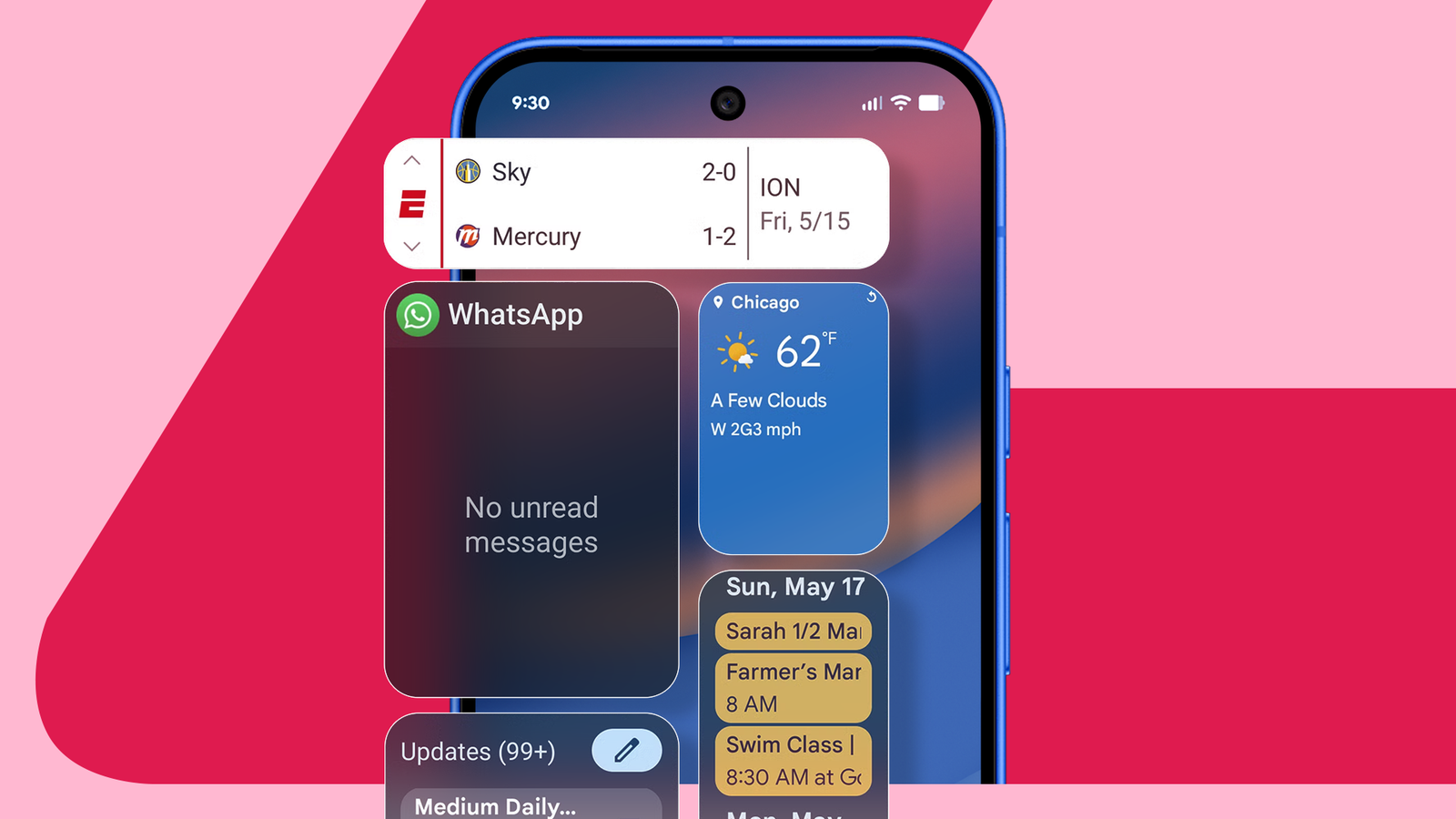
Widgets Could Slash Android Screen Time in 2026
Want to halve your screen time and really boost your digital wellbeing? A widget-only setup on Android phones just might be the answer.

Dubai Solar Parks Could Boost Rainfall by 10%, Study Suggests
A Stuttgart-led project aims to increase rainfall in UAE deserts using solar parks, potentially boosting annual precipitation by 10%.

MSI MAG 27C6F Monitor Hits All-Time Low: Just €99 on Amazon
MSI's MAG 27C6F gaming monitor is now just €99 on Amazon. That's a 27-inch curved display with a 180 Hz refresh rate, a pretty sweet deal.

Proxmox Networking: Master Your Virtual Infrastructure
Need to design rock-solid Proxmox VE networks? Upcoming workshops offer hands-on training in SDN, firewalls, and optimization. Time to get serious.